01
Site Consultation and Measurements
We walk your property to check the existing grade, wall location, access, and nearby structures. Then we measure the wall and confirm how you plan to use the retained space.
 Skip to content

Call or Text
SD Home Turf is a licensed contractor (Lic #1062005) providing retaining wall installation in San Diego County. Each wall is planned around your grade, purpose, and site conditions to create usable space.
Retaining wall installation in San Diego County makes sense when your yard slopes, soil washes onto your patio or turf, or you want flat space where there is none. It is also the fix when an old wall leans, cracks, or pushes out. Hillside lots and winter storms make these problems common here.
The right wall depends on height, soil, drainage, and what sits above it. Timber, natural stone, and concrete blocks each fit different jobs, and some walls need a permit and engineering. SD Home Turf is a licensed retaining wall installer (Lic #1062005) that checks your site, explains your options, and gives you a clear estimate.
Retaining wall installation in San Diego County solves real yard problems, from steep grades to moving soil. Here is what each wall can do for you.
A wall holds back soil so a sloped yard gets level areas for turf, a patio, or planting beds. We place each wall where the flat space will serve you most.
A wall helps hold soil in place where grade changes or runoff wear the ground down. It works best when we plan it with drainage, so water has a path out.
Good retaining wall landscaping starts with how the wall meets everything around it. We tie it into artificial turf, concrete pavers, patios, decorative rock, and walkways.
Our retaining wall installation services cover front yards, backyards, garden beds, and yard borders on sloped or uneven residential lots. Each plan fits your lot’s grade and how you use the space.
As a retaining wall installer, we follow six steps on every project, from the first visit to the final walkthrough. Each step finishes before the next one starts.
We walk your property to check the existing grade, wall location, access, and nearby structures. Then we measure the wall and confirm how you plan to use the retained space.
We study how water moves across your site and decide where it should exit. Then we check how that path affects the soil and your nearby hardscape.
We choose the wall type, finish, color, height, and length with you. The design is matched to your existing yard, so the wall looks planned, not added.
We excavate to the depth the design calls for and prepare the grade. Then we compact a stable base, because a wall is only as steady as what it sits on.
We install drainage behind the wall and backfill in controlled layers. We add reinforcement when the design requires it, and we check grade and alignment as each course goes up.
We set the caps, finish the grade, and tie the wall into the surrounding yard. Then we clean the site and walk the finished wall with you.
The right wall depends on your site, not on a favorite material. Here is how a retaining wall installer compares each option.
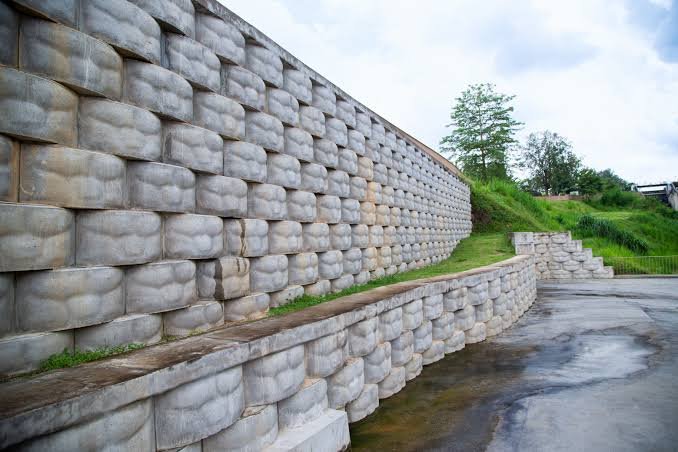
Concrete block gives a clean, even look and handles structural jobs well. It comes in many shapes and colors, so it matches nearby pavers and patios.
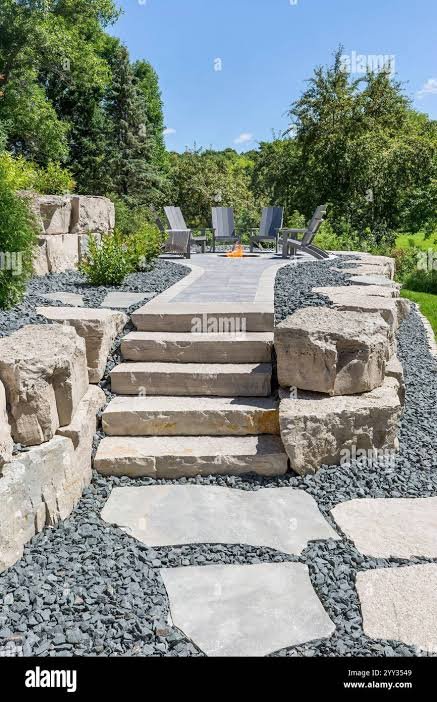
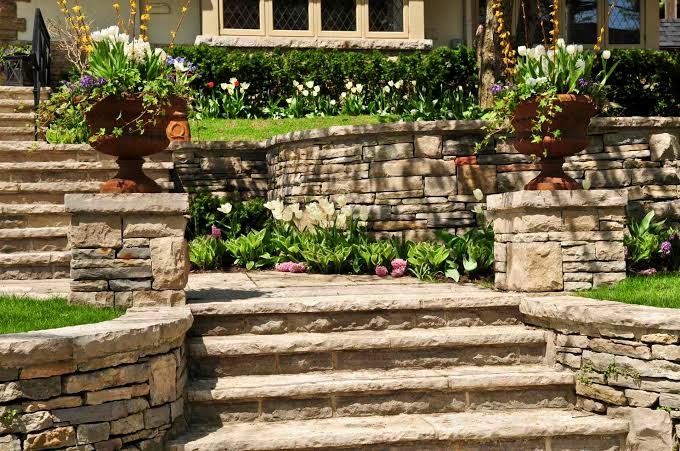
Natural stone gives each wall its own texture and color, so it blends into planting beds and decorative rock. It suits yards where appearance matters, though stone shape and site access affect the design.
Timber gives a warm, natural look and fits lower garden walls and planting beds. It needs more upkeep over time, and wet or unstable soil can limit where it works.
Segmental block stacks in interlocking courses and can step up a slope in terraces. Terraces turn one steep grade into several level areas, so the wall layout sets how much space you can use.
Our retaining wall installation services start with wall height, length, soil, slope, drainage, and any load above the wall. We then weigh space, appearance, nearby hardscape, and local rules before we recommend a material.
Retaining wall contractors near San Diego County must plan for water, rules, and site limits before the first block goes in.
Water builds pressure behind a wall and can push it out of line. We plan drainage during design and direct runoff away from your neighbors.
Tall walls, steep slopes, tiers, and loads above the wall may need engineering. We flag this early and build to the approved plans.
The County and the City of San Diego set different rules. Short walls with no added load may be exempt, but taller, tiered, or loaded walls often need permits.
Property lines, fences, driveways, nearby structures, and tight backyard access all shape the build. We check each one before we quote.
Hillsides, steep grades, and varied soil across San Diego County mean each lot needs its own site evaluation before we choose a wall.
Choosing a retaining wall installer comes down to proof. Here is what you can check before you call SD Home Turf.

One crew can build your wall and the artificial turf, concrete pavers, patio, decorative rock, or walkway around it. That keeps grades, edges, and finishes matched.
We work out of El Cajon and install hardscape across San Diego County. Our walls go in alongside the turf and paver projects we build for local homeowners.
Our retaining wall installation services start with a free consultation. We review your goals and site, recommend a wall approach, then give you a clear scope and next steps.
SD Home Turf holds California contractor license #1062005, and you can verify it on the CSLB website. We are also bonded and insured.
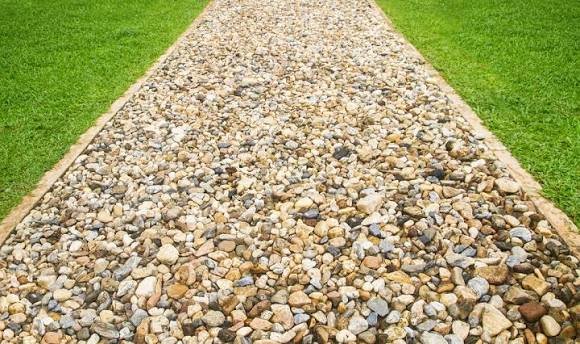
Explore real retaining wall projects we have built across San Diego County, from sloped backyard terraces to custom stone and block walls.
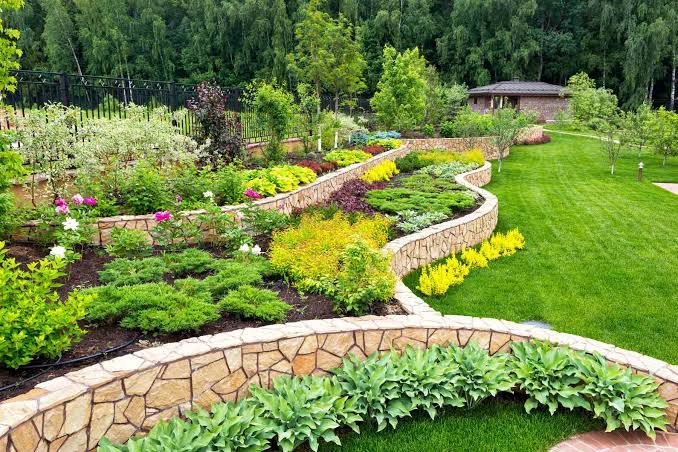
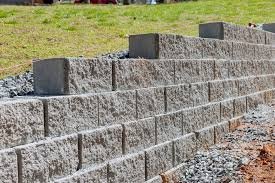
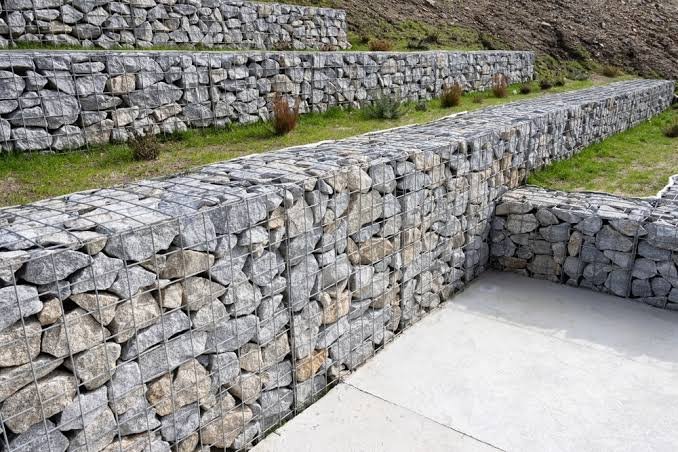
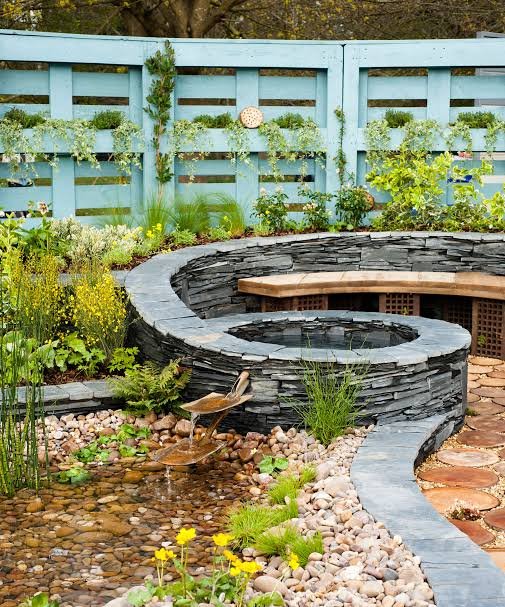
HomeTurf has earned a 4.9-star rating from 63 Google reviews, reflecting feedback from customers who have worked with the company.
EXCELLENTTrustindex verifies that the original source of the review is Google. This team far exceeded my expectations. The communication was quick, clear and friendly and the team was exceptional and SO quick. I loved everything I did and will most definitely be doing more landscaping projects with them.Posted on GoogleTrustindex verifies that the original source of the review is Google. We contacted Home Turf for help in replacing our existing 1400 sq ft back yard grass with artificial turf. Steve, George and the team were outstanding and we would highly recommend them. Steve worked with us to design the best solution and George then suggested improvements for the best result. Then George and the install team arrived when they said they would and completed the project and time and on budget….We couldn’t be happier and thanks again for the great work!Posted on GoogleTrustindex verifies that the original source of the review is Google. Great experience. Owner and crew nice and professional. Turf looks amazing and they installed my backyard tree at the same time. Fair pricing. Would recommend & use again in the future!Posted on GoogleTrustindex verifies that the original source of the review is Google. Great service and great people!Posted on GoogleTrustindex verifies that the original source of the review is Google. Gretchen and her team did a wonderful job in our front yard and our backyard! They were timely they worked hard and it looks absolutely beautiful! I would highly recommend this company especially Gretchen!Posted on GoogleTrustindex verifies that the original source of the review is Google. Love it , fast and quality product,l ooks so naturalPosted on GoogleTrustindex verifies that the original source of the review is Google. Professional and responsive.Posted on GoogleTrustindex verifies that the original source of the review is Google. Service was excellent. The job was quick and the staff member guided me through the whole entire process.Posted on GoogleTrustindex verifies that the original source of the review is Google. We just completed Turf replacement for our golden retrievers after having the prior turf for over 20 years. The new turf is wonderful. Looks beautiful and is so much cooler to the touch. Additionally, we also had our entryway and side yard redone with pavers concrete walkway, fencing, and flowering plants. Steve and George were wonderful and very easy to work with. They have Specialist on their crew for each discipline, Turf, pavers, concrete, electrical and fencing .everything looks great and we now have envious neighbors. We highly recommend the team at Home Turf. Thank you.

Have a sloped yard, eroding soil, or a grade you can’t use? SD Home Turf will assess your site and recommend the right wall for it.

Cost depends on wall length, height, and material. Excavation, soil and site conditions, drainage, reinforcement, engineering, access, permits, and finishing also change the price. When you compare retaining wall installers in your area, compare scope, not only the total. Request a free consultation for a site-specific estimate.
Timing for retaining walls installation in San Diego County depends on wall size, height, and material. Excavation, access, drainage, engineering, permits, and site conditions can add or save time. We confirm a schedule after we see your site.
It depends on where your property sits and how the wall is built. The County of San Diego and the City of San Diego have separate rules. Short walls that carry no added load may be exempt, while taller, tiered, or loaded walls can need a permit. Confirm the final answer with your local building department.
No single material fits every property. Wall height, structural needs, soil, drainage, appearance, space, and budget guide the choice. We compare concrete blocks, natural stone, and timber with you at your consultation.
Yes. Water collects behind a wall and adds pressure that can push it out of line. The drainage plan depends on your site and wall design, so we plan it before we build.
Yes. A wall can form terraces and level areas for turf, a patio, or planting zones. The space you gain depends on your slope, wall height, and layout, so we cannot promise a set size.
Yes. We plan walls together with artificial turf, concrete pavers, decorative rock, patios, and walkways. That keeps grades, edges, and finishes lined up.
Look for leaning, large cracks, bulging, shifted blocks or stones, standing water, or soil moving behind the wall. These signs can point to a problem, but a wall cannot be judged from photos alone. Call or text for an on-site assessment of repair or replacement.
 Optimized by Seraphinite Accelerator