SD Home Turf

4.8
(90 Ratings & Reviews)

Proudly Serving

San Diego County, CA

July 31, 2026

Uncategorized

Why Artificial Turf is the Future of Modern Landscapes

Maintaining a lush, emerald-green lawn has long been considered the hallmark of a well-kept home. However, as environmental concerns mount and our schedules become increasingly packed, the traditional “white picket fence and natural grass” dream is becoming a logistical nightmare. Between the relentless mowing, the expensive fertilizers, and the constant battle against weeds, homeowners are looking for a better way. As more property owners realize the benefits of a “set it and forget it” yard, the demand for professional fake grass installers has reached an all-time high. Understanding the Shift: Environmental and Financial Impact of Natural Grass To understand the shift toward synthetic solutions, we have to look at the sheer volume of resources required to keep natural grass alive. In arid climates or during summer heatwaves, a standard lawn becomes a massive drain on local water supplies. The scale of this consumption is even more evident when looking at sports facilities. According to AstroTurf, maintaining a single natural grass football field can demand a staggering 600,000 to 1.5 million gallons of water every year. While a residential lawn is smaller, the cumulative effect of millions of homes using drinkable water to irrigate grass is an environmental challenge that many municipalities are now addressing through restrictive watering schedules. Beyond water, natural grass requires: Chemical Inputs: Pesticides and herbicides that can run off into local waterways. Carbon Emissions: Gas-powered mowers and trimmers contribute significantly to air pollution. Constant Expenditure: Seed, sod, mulch, and seasonal treatments add up to thousands of dollars over the lifespan of a home. Exploring the Variety: Specialized Turf Solutions One of the reasons homeowners seek out expert turf installers is the sheer variety of products available today. No longer a “one size fits all” product, artificial turf is now engineered for specific lifestyles and use cases. Pet-Friendly Surfaces Pet owners are often the biggest advocates for synthetic grass. Natural lawns suffer from “urine burn” (those unsightly yellow spots) and become muddy pits after a rainstorm, leading to muddy paws inside the house. Pet-friendly turf features a highly permeable backing for rapid drainage and antimicrobial properties to neutralize odors, ensuring a clean environment for both the dog and the owner. Safe Playground Areas Safety is paramount in play areas. Specialized playground turf is installed with “fall zone” padding underneath, providing a cushioned surface that meets safety standards for impact. Unlike wood chips or gravel, it doesn’t displace, meaning the protection remains consistent even in high-traffic areas. Custom Putting Greens For the golf enthusiast, having a professional-grade green in the backyard is the ultimate luxury. Skilled fake grass installers can customize the “stimp” (the speed of the ball) and incorporate undulations, bunkers, and fringe grass to create a practice facility that rivals a private country club. Commercial Zones From boutique gyms needing indoor sled-pull tracks to commercial office complexes wanting a vibrant, low-maintenance courtyard, commercial-grade turf is built to withstand extreme foot traffic without matting or fading. Analyzing the Process: Anatomy of a Professional Installation While it might be tempting to view turf as a DIY weekend project, the longevity of the product depends entirely on what happens underneath the green. Professional turf installers follow a rigorous multi-step process to ensure the surface remains flat, drains well, and stays anchored for decades. Excavation and Site Prep: The existing grass and soil must be removed to a specific depth to make room for the new base. Base Layering: A crushed stone or decomposed granite base is spread and compacted. This is the “skeleton” of your yard; it provides the stability needed to prevent sinking or shifting. Weed Barrier: A heavy-duty geotextile fabric is laid down to ensure no persistent weeds poke through the new blades. Seaming and Securing: This is where the artistry happens. Installers must hide the seams where two rolls of turf meet, ensuring the “grain” of the grass is all pointing in the same direction. Infill Application: Tiny granules (silica sand, acrylic-coated sand, or cork) are brushed into the blades. This infill helps the blades stand upright and provides the “bounce” felt when walking on the surface. Creating Cohesion: Integrating Turf into a Total Landscape Design Artificial turf rarely lives in a vacuum. To create a truly stunning outdoor living space, it should be integrated into a broader hardscaping and landscape design. Professional fake grass installers often work in tandem with designers to create a cohesive aesthetic that blends various textures and functions. Modern Hardscape Integrations Pairing the soft texture of turf with the clean lines of a stone patio or a paver walkway creates a modern, high-contrast look. Using “turf strips” or “ribbons” between large concrete pavers is a popular trend that adds greenery to a driveway or courtyard without the maintenance of real grass. Functional Walls and Lighting Turf is an excellent solution for sloped yards where mowing natural grass is dangerous. By installing retaining walls to create leveled tiers and covering those tiers with synthetic grass, you turn unusable hills into functional play spaces. Adding exterior lighting ensures that your pristine lawn is visible and usable long after the sun goes down. Sustainable Irrigation Synergies When you combine turf installation with drought-tolerant landscape design and efficient landscape irrigation for your remaining garden beds, you create a property that is remarkably resilient to climate shifts. Ensuring Lasting Quality: Why Experience Matters The market is flooded with various grades of synthetic grass, but the best material in the world will fail if the drainage isn’t handled correctly. This is why vetting your fake grass installers is critical. You want a team that understands local soil conditions—whether you’re dealing with heavy clay that retains water or sandy soil that shifts easily. Qualified installers provide: Warranty Guarantees: Protection against UV fading and manufacturing defects. Advanced Equipment: Heavy-duty compactors and power brooms that a homeowner can’t easily rent. Artistic Precision: The ability to cut turf around curved flower beds, trees, and complex hardscaping without leaving gaps. Protecting Your Investment: Long-Term Maintenance It is important to clarify that “low
Uncategorized

Ditch the Mower: The Ultimate Guide to Fake Grass Installation

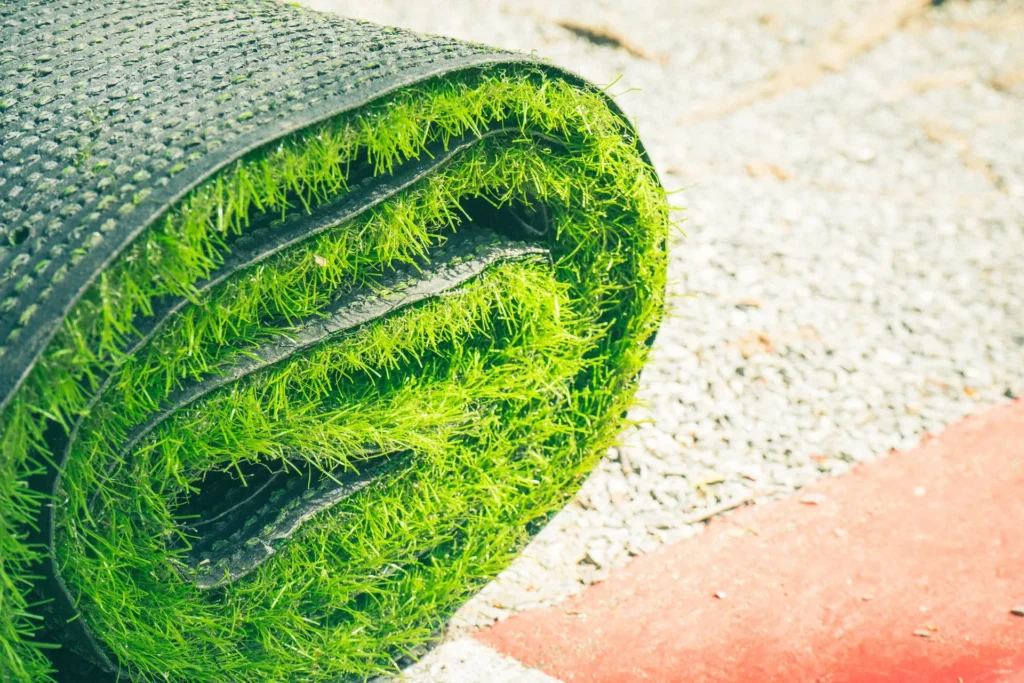
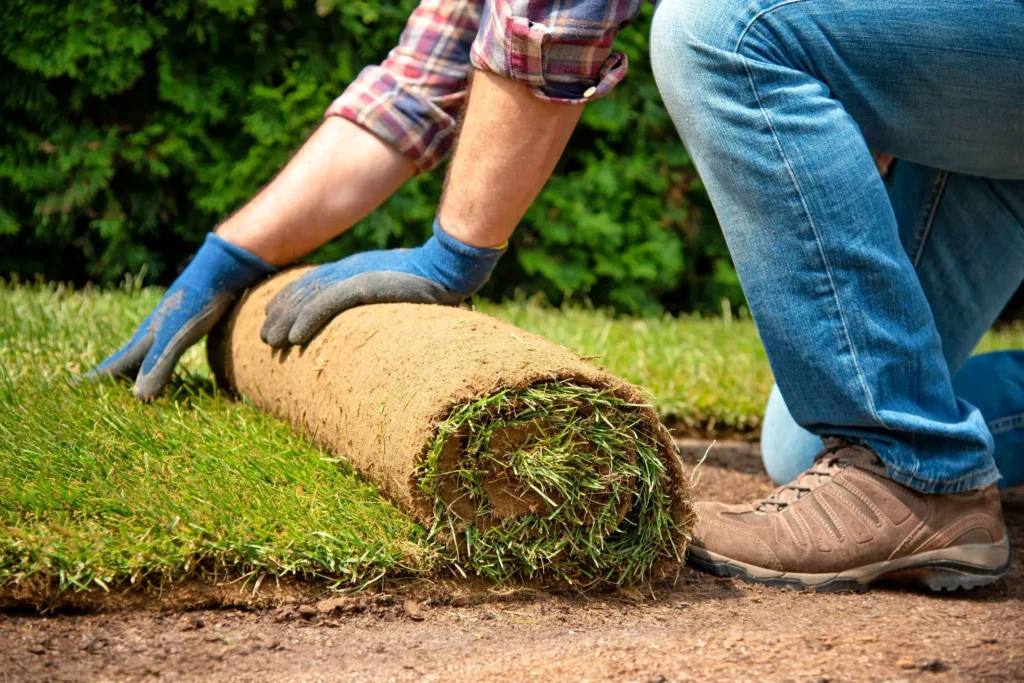
Artificial turf has become an increasingly popular choice for homeowners and businesses alike, offering a sustainable and aesthetically pleasing alternative to natural grass. From saving on water bills to reducing your carbon footprint, the advantages of artificial grass are innumerable. As more people recognize these benefits, the demand for hiring an expert fake grass installation company has spiked, leading us to compile this detailed manual on how these specialists complete the job. Let’s dive into the world of synthetic lawns and discover how a professional crew can redefine your experience with nature in your own backyard. Understanding the Benefits of Fake Grass Cost Savings Over Time The initial investment in artificial turf can appear steep, but significant cost savings blossom over time. Reduction in water bills is one of the primary financial benefits, as natural lawns can be water-intensive, particularly in dry climates. Moreover, the absence of routine maintenance costs such as mowing, trimming, and fertilizing contributes to long-term savings. According to Iowa State University Extension, natural grass can grow rapidly in spring and may need mowing more than once a week, adding to maintenance costs. By delegating your yard transformation to a specialist in fake grass installation, you enjoy not only financial savings but also valuable time freed from regular lawn care duties. Decreased Maintenance Requirements With synthetic turf, the cumbersome and time-consuming task of lawn maintenance becomes a thing of the past. Forget about mowing, aeration, and reseeding; artificial lawns maintain their lush appearance with minimal care. Regular cleaning, such as blowing away debris and rinsing with water, is usually sufficient to keep it looking pristine. This aspect is particularly appealing to those with busy lifestyles or those who would rather spend their free time enjoying their outdoor spaces rather than maintaining them. The convenience and ease of upkeep make a professional fake grass installation an attractive option for those seeking to simplify their lives while maintaining a beautiful outdoor aesthetic. Effect on Curb Appeal Artificial turf can significantly enhance the curb appeal of your home or business, creating an inviting and polished appearance. Its lush, evergreen look is attractive year-round, ensuring your property always looks well-kept and inviting. Additionally, premium synthetic grass is designed to mimic the look and texture of real grass, providing visual appeal without the headaches of natural grass care. Booking a professional fake grass installation can boost property value, making it a savvy investment for those considering resale potential. Planning Your Artificial Turf Installation Assessing Your Space Before a crew embarks on the physical setup, it’s critical for a specialist to assess the space you plan to transform. Experienced estimators consider the size and shape of the area, as well as any unique features such as trees, flower beds, or pathways that might affect the layout. By taking precise measurements and photos of your space, the project manager can better plan the quantity of turf and materials needed. Identifying potential obstacles and planning around them is key to a successful fake grass installation. A thorough professional assessment ensures that you choose the right type and amount of artificial grass for your needs, avoiding unnecessary expense and waste. Choosing the Right Type of Turf With the variety of artificial turfs available, having an expert guide your selection is crucial to achieving the desired look and functionality. A knowledgeable coordinator will evaluate factors such as color, pile height, and durability based on your specific needs, whether it’s for aesthetics, function, or both. For high-traffic areas, they might recommend a denser, more durable turf, while a softer pile might suffice for an ornamental space. Technicians assess the backing material and ensure it has a good drainage system, particularly if your area experiences heavy rainfall. Budgeting for the Project Effective budgeting is an essential step in planning your property upgrade. An estimator will outline the comprehensive costs of materials, including turf, adhesives, and infill, as well as the commercial machinery required for the job. Labor costs are a primary component when you hire professional crews, which is highly beneficial for ensuring that large or complex projects are executed without flaws. A turnkey company will also allocate funds for any additional features, such as custom edging or improved drainage systems, that can enhance the overall result. A realistic professional quote helps prevent unexpected financial strain and ensures you invest wisely in high-quality materials and workmanship. Preparing the Ground for Installation Clearing the Area The first step the crew takes in preparing the ground for fake grass installation is thoroughly clearing the area of any existing vegetation, debris, and obstacles. Laborers remove old grass, rocks, and deep roots to ensure a smooth, uniform base for your synthetic lawn. This typically involves operating professional machinery, such as heavy shovels, hoes, or a motorized sod cutter for large projects. Proper clearing performed by a professional team also helps prevent weed growth beneath the turf, contributing to its longevity and appearance. The result is a completely clean slate, ready for the subsequent technical steps involved in the process. Leveling the Surface After ensuring proper drainage, achieving a level surface is key to a smooth, professional-looking finish. Uneven surfaces can lead to lumps and bumps, detracting from the visual appeal and potentially creating trip hazards. Crews use industrial grading rakes to even out the surface, removing any excess soil or filling in low spots as necessary. A compacting roller or diesel-powered plate compactor is then operated by the team to ensure a firm, uniform base layer. Professional leveling is crucial, as it provides a solid foundation, enhancing the durability and final appearance of the fake grass installed on top. Laying and Securing the Fake Grass Measuring and Cutting the Turf Accurate measuring and cutting of the heavy turf sections are critical to ensure a seamless fit within the yard, which is why it is best executed by seasoned pros. Installers begin by rolling out the turf and allowing it to acclimatize, letting it lie out in the sun to relax the backing

Uncategorized

Artificial Turf Maintenance Tips for a Beautiful Lawn All Year

Every homeowner desires an attractive outdoor space to relax and entertain guests. According to GreenPal, 94% of Americans care about the appearance of their lawn. Maintaining a gorgeous yard takes effort, especially if you want it to remain vibrant through every season. Many residents in La Mesa and Santee choose synthetic grass to cut down on heavy labor, but zero maintenance is a myth. You still need to put in a little work to keep the blades standing tall and looking pristine. A proper artificial turf install lays the foundation for a durable yard, but regular upkeep guarantees it stays that way for years. Knowing how to clean and protect the fibers will heavily preserve your financial investment. To ensure your synthetic landscape remains a brilliant green focal point, we put together a comprehensive guide covering everything you need to know about year-round care. Understanding Why Consistent Upkeep Is Vital With Synthetic Grass While fake grass eliminates the need for mowing, watering, and fertilizing, it still requires attention to stay in top condition. An excellent artificial turf install provides a strong base, but environmental factors constantly interact with the surface. Dust, fallen leaves, and pet activity can take a toll on the overall appearance of the fibers over time. Ignoring these elements might lead to compacted blades or unpleasant odors. By dedicating just a few minutes each month to basic chores, you preserve the structural integrity of the backing material and the vibrancy of the grass. A well-maintained yard enhances your overall aesthetic and heavily boosts the curb appeal of your property. The effort you put into maintaining the surface directly translates into a much longer lifespan for your entire yard. Clearing Away Leaves With a Rake or Leaf Blower One of the most common issues you will face involves fallen leaves and organic debris scattered across your yard. Trees and bushes naturally shed foliage, which eventually settles on top of the synthetic fibers. If you leave this organic matter to decompose, it can create a breeding ground for airborne weed seeds and disrupt the smooth surface. To combat this, you should regularly clear the area using a plastic landscape rake or a standard leaf blower. Avoid using metal rakes, as they can severely damage the backing material of a recent artificial turf install. Blowing the leaves into a pile makes collection fast and straightforward. Keeping the surface free of organic buildup ensures that drainage systems function perfectly and water flows through unobstructed. Rinsing the Area With Water to Remove Settled Dust Even if your yard looks clean from a distance, microscopic dust and dirt particles constantly settle on the blades. Over the span of a few weeks, this fine layer of grime can dull the vibrant green color of your synthetic grass. An easy way to restore the original shine is by lightly spraying the entire area with a garden hose. A gentle rinse washes away the accumulated dirt and completely rejuvenates the overall look of your landscape. Every professional artificial turf install features a built-in drainage system designed to handle water runoff seamlessly. You do not have to worry about creating mud puddles or flooding your yard. Just a quick spray down a couple times a month keeps the fibers looking fresh and prevents any dirt from grinding into the infill layer. Brushing the Blades High With a Stiff Bristle Broom Foot traffic naturally causes the synthetic blades to bend and lay flat over time. Areas where people frequently walk or kids play will show signs of matting much faster than the untouched edges of your yard. To counteract this flattening effect, you should brush the grass fibers against their natural grain. Using a broom featuring stiff synthetic bristles works exceptionally well for this task. Never use tools featuring metal or wire bristles, because they will aggressively tear the material apart. Cross-brushing lifts the blades back to an upright position and redistributes the infill evenly across the surface. Completing this simple chore thoroughly revitalizes the plush texture of your artificial turf install and maintains a uniform appearance. Brushing the fibers every couple of weeks will absolutely prevent permanent creasing. Managing Pet Waste Quickly With the Right Cleaners Synthetic lawns are incredibly pet-friendly, making them a popular choice for homeowners with dogs. However, you must handle pet waste promptly to prevent lingering smells and bacterial buildup. Solid waste should be picked up as soon as possible, just as you would on a natural lawn. Afterward, spray the affected spot with a hose to wash away any remaining residue. For liquid waste, a thorough rinsing usually does the trick, but occasionally you might notice a persistent odor. In these cases, an enzyme-based cleaner designed specifically for synthetic grass will break down the odor-causing bacteria safely. A high-quality artificial turf install usually includes specialized pet infill to mitigate smells – but routine cleaning remains necessary. Your furry friends can enjoy the yard safely without any extra stress on your part. Preventing Weeds From Sprouting With Routine Inspections Although synthetic grass severely limits weed growth compared to natural soil, stubborn plants can occasionally find a way to emerge. Airborne seeds might settle into the infill or accumulate around the very edges of your landscape. If organic debris decomposes on the surface, it provides a perfect little bed for weeds to quickly take root. You should periodically inspect the perimeter of your yard to catch any unwanted sprouts early on. When you spot a weed, simply pull it out by hand gently so you do not disrupt the infill. For more persistent issues, a water-based weed killer can be applied directly to the problem areas. A meticulous artificial turf install typically includes a weed barrier underneath the backing, which successfully blocks out the vast majority of growth. Protecting the Fibers With Fast Action Against Spills Hosting gatherings outside often involves food, drinks, and the occasional accident. Dropped plates or spilled beverages can create sticky spots on your beautiful fake grass. The key

Uncategorized

How Lawn Installation Enhances the Functionality of Outdoor Spaces

Outdoor spaces play an important role in how people experience their homes and commercial properties. They provide places to relax, entertain guests, spend time with family, and enjoy nature. While landscaping often includes many different elements, a healthy lawn frequently serves as the foundation that ties the entire outdoor environment together. A thoughtfully planned and professionally executed lawn installation can do much more than improve appearance. It can significantly increase the functionality, comfort, and versatility of outdoor spaces. Many property owners focus on visual appeal when considering landscaping improvements, but functionality is equally important. An attractive outdoor space that cannot be used effectively may fail to meet the needs of those who occupy it. A professionally installed lawn creates a practical surface that supports a wide range of activities while contributing to the overall organization and usability of the landscape. Improve Everyday Outdoor Usability One of the most immediate benefits of lawn installation is the creation of a usable outdoor surface. Bare soil can become muddy after rainfall, dusty during dry conditions, and uneven over time. Hard surfaces may serve certain purposes, but they do not always provide the comfort or flexibility needed for a variety of activities. A properly established lawn creates a smooth and welcoming area that supports everyday outdoor use. Families can gather comfortably, children can play safely, and property owners can enjoy spending time outdoors without dealing with the inconveniences often associated with unfinished landscapes. The versatility of grass makes it suitable for many different purposes. It can function as an entertainment area during social gatherings, a place for outdoor recreation, or simply a comfortable space for relaxation. This flexibility allows outdoor environments to serve multiple functions without requiring extensive modifications. Create Comfortable Recreation Areas Outdoor recreation is an important part of many lifestyles. Whether hosting gatherings, spending time with family, or providing a place for pets to roam, property owners often rely on their outdoor spaces for enjoyment and leisure. A professionally completed lawn installation helps create comfortable recreation areas that encourage outdoor activity. Grass provides a naturally cushioned surface that feels inviting underfoot and supports a variety of uses. Compared to harder landscaping materials, lawns often create a more relaxed and welcoming atmosphere. Families frequently appreciate having a designated area where children can play and explore. Likewise, pet owners often value a grassy environment that allows animals to move comfortably throughout the property. The natural softness of grass contributes to a more enjoyable experience for everyone using the space. A functional recreation area can also encourage healthier lifestyles by promoting outdoor activities and creating opportunities for relaxation away from indoor environments. As a result, a lawn often becomes one of the most frequently used parts of a property. Support Effective Landscape Organization Successful landscape design involves more than simply adding plants and decorative features. Functional outdoor spaces typically require thoughtful organization that allows different areas to serve specific purposes while maintaining a cohesive appearance. A professional lawn installation can help establish structure throughout the landscape. Grass often serves as the connecting element that links pathways, gardens, seating areas, and other outdoor features together. This creates a sense of flow that improves both appearance and usability. For example, lawns can help define gathering spaces, separate recreational areas from planting beds, and provide visual balance throughout the property. These distinctions make outdoor environments easier to navigate and more pleasant to use. Organized landscapes often feel larger and more functional because each area has a clear purpose. Property owners can enjoy a greater sense of order while maximizing the practical value of their available outdoor space. Enhance Environmental Performance Modern landscaping increasingly emphasizes environmental responsibility alongside functionality and beauty. Property owners are often interested in solutions that support sustainability while still providing practical benefits. A carefully planned lawn installation can contribute to these goals. Healthy grass helps stabilize soil and may assist with managing water movement across the property. Properly established lawns can also support natural absorption processes that reduce certain drainage concerns. Environmental awareness continues to influence landscaping decisions. According to The Freedonia Group, Fact 224654 indicates that many younger consumers place significant value on environmentally conscious lawn care practices and are willing to spend more to support sustainable solutions. This growing interest highlights the importance of selecting landscape approaches that balance functionality with environmental considerations. Professional lawn installers can recommend grass varieties and installation methods that align with local conditions and long-term sustainability objectives. Their expertise helps property owners create outdoor spaces that perform effectively while supporting responsible landscape management. Increase Property Comfort and Enjoyment Comfort is one of the most significant factors influencing how often outdoor spaces are used. An outdoor area may be visually appealing, but if it does not feel comfortable or inviting, it may see limited use. A professionally installed lawn contributes substantially to outdoor comfort. The natural appearance of grass creates a calming environment that many people find relaxing and enjoyable. Green spaces often promote a sense of tranquility that enhances the overall atmosphere of a property. The benefits of lawn installation extend beyond physical comfort. A healthy lawn can improve the visual experience of outdoor living by creating a consistent and attractive backdrop for landscaping features, outdoor furniture, and recreational activities. Many property owners find that a well-maintained lawn encourages them to spend more time outdoors. Whether enjoying a quiet morning, hosting friends, or simply appreciating the view from inside the home, the presence of a beautiful lawn can enhance everyday experiences. Increase Long-Term Property Value Landscaping improvements often represent investments in both present enjoyment and future property value. A professionally installed lawn can contribute positively to a property’s overall marketability and appeal. First impressions play an important role in how people perceive homes and commercial properties. A healthy lawn immediately communicates care, attention, and pride in ownership. Because lawns occupy a prominent portion of many landscapes, they often have a substantial impact on curb appeal. A quality lawn installation enhances more than visual attractiveness. It also improves

Uncategorized

Signs Your Lawn Care Strategy is Missing Great Landscape Design

Your carefully cultivated outdoor property holds incredible potential to serve as a stunning, functional extension of your living space. Many homeowners invest significant time and money into routine mowing, watering, and fertilizing, yet find that the overall aesthetic remains uninspiring. When your yard feels more like a chore list than a sanctuary, it is highly likely that your current lawn care strategy is missing the guiding principles of great landscape design. Bridging the gap between basic maintenance and professional design can completely transform your entire outdoor experience.   True property transformation involves looking past simple green grass and considering how every element interacts to create a beautifully cohesive ecosystem. Without a thoughtful layout, even the healthiest turf can look isolated, cluttered, or flat. By recognizing the critical indicators that your outdoor maintenance routine needs an artistic upgrade, you can shift your focus toward long-term beauty and functionality.   Evaluate Your Visual Cohesion   A truly stunning yard relies heavily on a unified aesthetic where every single plant and feature works in absolute harmony. When plants are selected haphazardly based purely on individual store purchases rather than an overarching vision, the visual appeal of your property suffers. It is vital to consider how mature sizes, varying foliage textures, and contrasting plant colors blend together. Without this strategic coordination, your thoughtfully structured garden beds risk looking like a chaotic assortment rather than a deliberate composition that elevates your standard lawn care routine.   Visual disconnect also manifests through clashing hardscape materials and inconsistent design themes across different areas of your property. If your brick patio clashes with a modern stone walkway, or if a formal garden abruptly transitions into a rustic woodland patch, your landscape lacks a central narrative. A professional design integrates paths, patios, and plant life under a single blueprint that complements your home’s architectural style. Establishing this thematic consistency ensures that your ongoing investment in lawn care yields a polished, breathtaking outdoor environment.   Optimize Your Spatial Layout   Efficient space utilization stands as a cornerstone of excellent landscape architecture, turning an ordinary yard into a highly usable outdoor living area. Homeowners frequently make the mistake of overcrowding flower beds or neglecting awkward corners and edges, leaving substantial portions of their property completely wasted. Plants require adequate spacing to ensure highly critical airflow, reduce disease risks, and allow each species room to thrive beautifully. By introducing deliberate layout planning, you can transform forgotten property boundaries into intentional seating nooks or vibrant focal zones.   This spatial optimization applies directly to your pathways and the overall footprint of your turf. Narrow, poorly constructed paths restrict movement and lower accessibility, while massive, overextended grassy areas often become tedious, high-maintenance burdens. Shifting away from a massive, singular turf area allows you to introduce distinct functional zones for dining, playing, and relaxing. Integrating these diverse spaces reduces the pure surface area requiring constant attention, improving the efficacy of your weekly lawn care schedule.   Define Your Garden Borders   Clearly defined borders provide the essential structure that keeps an outdoor space looking clean, organized, and intentionally styled. When garden edges blur directly into your turf, grass easily invades your flower beds, creating a messy appearance and complicating your routine maintenance. Utilizing high-quality edging materials like stone, brick, or metal establishes distinctly clean boundaries that prevent invasive root spreading. This crisp delineation not only protects your delicate plants but also makes your regular lawn care tasks significantly faster and more satisfying to complete.   Proper boundaries also include managing the vertical transitions and preventing your structural hedges or shrubs from becoming completely overgrown. Unchecked growth obscures important sightlines, minimizes walkway accessibility, and disrupts the overall aesthetic balance of your property. Incorporating clear transitional zones, such as low hedges or gravel borders, helps guide visitors seamlessly between different outdoor rooms. Maintaining these sharp boundaries shows a dedication to proactive management that ensures your beautiful green grass is properly framed by tidy, controlled greenery.   Introduce Striking Focal Points   A captivating landscape requires distinct visual anchors that intentionally guide the eye and create memorable impressions across your property. Without strikingly unique centerpieces, large yards can feel completely flat, monotonous, and uninspiring, regardless of how green the grass might be. You can introduce stunning focal points using architectural plantings, elegant water features, or unique sculptures that draw immediate attention. Elevating your front yard curb appeal and creating a beautiful entryway design sets a welcoming tone that celebrates your entire home.   Achieving year-round visual interest requires planning for changing seasons and installing strategic lighting features that extend your property’s beauty into the night. Relying solely on springtime blooms means your yard may look dull during autumn and winter months. Incorporating plants with vibrant fall foliage or striking winter bark ensures a dynamic display throughout the entire year. Pairing these seasonal highlights with balanced, layered landscape lighting accentuates your favorite features and brings safety to your evening lawn care views.   Respect Local Environmental Factors   Designing a successful outdoor space requires working in direct harmony with nature rather than constantly fighting against local conditions. Selecting non-native plants often results in a frustrating cycle of high resource consumption, constant chemical interventions, and disappointing plant health. Native species flourish naturally in local soils and weather patterns, offering incredible resilience and ecological benefits. Embracing these sustainable options minimizes your environmental footprint while providing a thriving habitat that invites vibrant local pollinators and native birds into your yard.   Environmental awareness also means addressing critical terrain elements like water drainage and distinct microclimates across your property. Ignoring proper grading or failing to redirect heavy rainfall can lead to severe soil erosion, pooling water, and drowned plant roots. By identifying specific sun traps, windy zones, or shaded areas, you can position your plants exactly where they will succeed best. This proactive environmental integration protects your property from severe weather damage and forms a solid foundation for an efficient, eco-friendly lawn care routine.   Balance Your Upkeep Demands   An overemphasis

Uncategorized

How Artificial Turf Supports Cleaner and More Functional Outdoor Areas

Artificial turf has become an increasingly popular solution for homeowners, businesses, and property managers looking to improve outdoor spaces. Traditional grass can require significant maintenance, regular watering, and ongoing attention to remain attractive throughout the year. In contrast, artificial turf offers a practical alternative that helps create cleaner, more functional outdoor areas while maintaining a polished appearance. Whether installed in residential landscapes, recreational spaces, or commercial properties, this surface solution provides numerous benefits that enhance both usability and visual appeal. Enhance Cleanliness Throughout Outdoor Spaces One of the most noticeable advantages of artificial turf is its ability to keep outdoor areas cleaner. Natural grass can become muddy after rainfall or irrigation, often resulting in dirt being tracked into homes, businesses, and recreational facilities. This can create additional cleaning responsibilities and increase wear on indoor flooring. With professionally installed synthetic surfaces, muddy patches are no longer a concern. The stable surface helps reduce the amount of dirt and debris that can be carried indoors. Families with children and pets often appreciate how much easier it becomes to maintain a cleaner environment when outdoor spaces remain dry and consistent. In addition, the absence of bare soil minimizes dust and loose dirt, creating a more pleasant experience for everyone who uses the area regularly. Improve Everyday Functionality Outdoor spaces should be enjoyable and practical. One of the reasons many property owners choose artificial turf is that it supports a wide range of activities without the limitations associated with natural grass. Traditional lawns can become worn in areas that experience frequent foot traffic. Pathways, play zones, gathering areas, and pet spaces often develop patches that require ongoing repair and maintenance. Synthetic surfaces are designed to provide a consistent appearance while accommodating regular use. This enhanced durability allows outdoor areas to remain functional throughout changing weather conditions and varying levels of activity. Families can spend more time enjoying their yards without worrying about damaging the lawn, while commercial properties can maintain professional-looking grounds that support customer and visitor use. Reduce Ongoing Maintenance Requirements Maintaining a natural lawn often involves mowing, watering, fertilizing, and addressing seasonal challenges. These routine tasks require time, effort, and ongoing expenses that many property owners would prefer to reduce. By choosing artificial turf, property owners can significantly decrease the amount of routine lawn care required. The surface remains visually appealing without the need for constant upkeep, allowing people to focus more on enjoying their outdoor spaces rather than maintaining them. This reduced maintenance burden can be especially valuable for busy households, vacation properties, community spaces, and commercial locations. Instead of dedicating resources to frequent lawn care, owners can direct their attention toward other priorities while still enjoying an attractive outdoor environment. According to The Freedonia Group, fact 224652 notes that lawn care consumable purchases are being affected by increased urbanization, fewer younger adults becoming homeowners, and a growing dependence on professional landscaping providers. These trends highlight why many property owners are exploring lower-maintenance landscape solutions that support long-term convenience. Support Better Use of Recreational Areas Many outdoor spaces are designed with recreation in mind. Playgrounds, pet areas, sports spaces, and family gathering spots all benefit from surfaces that can handle consistent activity while maintaining their appearance. Professionally installed artificial turf helps create a reliable foundation for these activities. Unlike natural grass, which may become uneven or damaged over time, synthetic surfaces remain consistent and predictable. This can contribute to a more enjoyable experience for both children and adults. Pet owners also appreciate the convenience of designated outdoor areas that are easier to maintain and clean. Recreational spaces can remain accessible even after rain, reducing interruptions and allowing users to take full advantage of the area throughout the year. When outdoor environments remain functional and attractive, they become more inviting places for relaxation, entertainment, and everyday enjoyment. People are naturally more likely to spend time outdoors when the space is comfortable, clean, and easy to use. Families can gather for meals, children can play freely, and guests can enjoy social events without concerns about muddy areas, worn patches, or uneven surfaces. Well-maintained outdoor spaces also encourage more frequent use throughout the year, helping property owners get greater value from their investment. Create Attractive Curb Appeal A well-maintained landscape contributes significantly to the overall appearance of a property. Unfortunately, natural lawns can sometimes develop discoloration, thinning areas, or uneven growth patterns that detract from curb appeal. Installing artificial turf helps create a consistently green and polished appearance regardless of seasonal fluctuations. The uniform look can enhance the visual appeal of residential properties, commercial facilities, and community spaces alike. Property owners often appreciate how synthetic landscaping solutions provide a neat and organized appearance with minimal intervention. Guests, customers, and visitors are greeted by outdoor spaces that appear carefully maintained and professionally designed. This visual consistency can be especially valuable for businesses seeking to create a positive first impression or homeowners who want their property to look appealing throughout the year. A clean, well-maintained exterior often influences how visitors, customers, and neighbors perceive a property before they even step inside. For commercial locations, an attractive landscape can help reinforce a professional image and demonstrate attention to detail. For residential properties, a consistently polished yard can enhance neighborhood appeal and create a more welcoming atmosphere for family and guests. Promote More Efficient Outdoor Planning Modern outdoor design often focuses on maximizing usable space while minimizing unnecessary maintenance demands. Synthetic landscaping materials can support these goals by providing flexibility during the planning process. Because artificial turf can be incorporated into a variety of layouts, designers can create outdoor environments that accommodate multiple purposes. Spaces may include entertainment areas, pet zones, decorative landscaping features, pathways, or relaxation areas while maintaining a cohesive appearance. The versatility of synthetic surfaces allows property owners to tailor outdoor spaces to their specific needs and preferences. Whether the goal is creating a welcoming backyard retreat or improving a commercial property’s exterior, these solutions offer flexibility that supports a wide range of applications.

Uncategorized

Sustainable Lawn Beauty With Minimal Exertion

Achieving a lush, vibrant yard no longer requires hours of grueling weekend labor or an environmental conscience weighed down by heavy water use and chemical runoff. Homeowners are increasingly turning to innovative landscaping solutions that deliver picture-perfect aesthetics without the traditional upkeep. By rethinking our approach to outdoor spaces, we can enjoy a stunning, eco-friendly sanctuary that harmonizes perfectly with a busy modern lifestyle. Conserving Precious Water Resources Water scarcity has evolved from a distant environmental concern into a pressing daily reality for communities worldwide. Traditional turfgrass is notoriously thirsty, requiring thousands of gallons of water annually just to stay green during peak summer months. Transitioning to a high-quality artificial lawn eliminates this massive utility burden entirely, allowing homeowners to preserve municipal water supplies for vital ecological and residential needs. Beyond the obvious environmental benefits, this drastic reduction in consumption translates directly to substantial financial savings on monthly water bills. By removing the need for automated sprinkler systems and tedious hose watering, you establish a resilient outdoor space that remains flawless regardless of local drought restrictions or scorching heatwaves. This shift toward a waterless landscape represents a major milestone in sustainable residential design, proving that a stunning yard does not have to come at the expense of our planet’s most critical natural resource. In arid regions and suburban neighborhoods alike, adopting a synthetic lawn acts as a powerful statement of environmental stewardship while simultaneously freeing up hours of personal time previously spent monitoring irrigation schedules. This conservation strategy mitigates the strain on local infrastructure, ensuring that precious groundwater resources are kept intact for future generations while shielding homeowners from rising municipal water rates and strict seasonal usage penalties. Eliminating Toxic Chemical Runoff Maintaining a pristine natural yard often feels like an ongoing battle against weeds, pests, and nutrient deficiencies, a battle typically fought with harsh synthetic chemicals. The widespread application of fertilizers, herbicides, and pesticides poses a severe threat to local ecosystems, as rainwater inevitably carries these toxins into storm drains, local streams, and underground aquifers. When you choose an artificial lawn, you eliminate the need for these chemical interventions entirely, creating a safer environment for children, pets, and native wildlife. This reduction in chemical dependence protects beneficial pollinators like bees and butterflies, which are frequently devastated by standard suburban lawn care practices. Furthermore, a chemical-free yard means your family can enjoy outdoor activities without worrying about pesticide exposure or tracking harmful residues indoors. By breaking the cycle of seasonal chemical treatments, you actively contribute to a healthier, more balanced local ecosystem while enjoying a perfectly manicured space. The transition to advanced turf ensures that your property remains a safe haven rather than a source of environmental contamination, demonstrating that sustainable beauty is achievable without chemical dependency. This choice ripples positively through the local food chain, preserving soil health and preventing downstream pollution that degrades regional water systems. Securing Long-Term Performance When evaluating the sustainability of any home improvement, longevity and product lifecycle are paramount factors to consider. Investing in high-quality synthetic turf offers incredible durability that far outlasts the seasonal cycle of traditional grass, which can die off due to disease, extreme weather, or pet activity. According to Research Nester, artificial turf has a functional lifespan of up to 15 years while requiring very little upkeep, solidifying its status as an exceptionally sustainable landscaping choice. This remarkable durability means that the energy and materials used to manufacture the product are amortized over more than a decade of continuous, reliable performance. The surface resists UV fading, fiber degradation, and heavy foot traffic, maintaining its vibrant color and texture without needing reseeding or sod replacement. Choosing an artificial lawn represents a commitment to enduring design, reducing the constant consumption of resources associated with maintaining a living yard year after year. This long-term reliability ensures your landscape remains a valuable asset to your home for a generation, giving you peace of mind and reducing municipal waste streams. The permanence of this layout means less soil disruption, fewer carbon emissions from transport, and a steady, dependable aesthetic that stands the test of time. Minimizing Rigorous Maintenance The traditional American weekend is frequently dominated by the roar of lawnmowers, the whine of weed whackers, and the tedious chore of edging walkways. For many homeowners, the sheer physical exertion required to keep a natural lawn looking presentable drains time and energy that could be better spent with family or pursuing hobbies. Integrating an artificial lawn into your property design completely reclaims these lost hours, transforming lawn care from a demanding second job into a simple, occasional rinse or light brushing. Gas-powered mowers also contribute significantly to localized air pollution and noise pollution, emitting high levels of carbon monoxide and hydrocarbons in just a single hour of operation. By eliminating the mower, you reduce your personal carbon footprint and create a quieter, more peaceful neighborhood environment for everyone. The physical relief of no longer pushing heavy machinery in the sweltering heat makes an artificial lawn an ideal choice for aging individuals or busy professionals who demand maximum leisure from their weekends. Ultimately, minimizing maintenance allows you to truly relax and appreciate your outdoor environment rather than constantly working to maintain it, giving you the freedom to engage with your backyard space on your own terms. Enhancing Year-Round Visual Appeal A natural lawn is highly vulnerable to seasonal changes, often turning a dull brown in the winter or developing muddy, patchy dead zones during periods of heavy rain or high traffic. These aesthetic fluctuations can detract from a home’s curb appeal and create frustrating tracking of mud and debris into the clean interior living spaces. An artificial lawn provides an unyielding, immaculate green surface that looks vibrant and perfectly manicured through every season, regardless of downpours or freezing temperatures. Advanced manufacturing techniques utilize multi-toned blades and thatch layers to mimic the exact look and feel of natural grass varieties, ensuring a realistic appearance that blends seamlessly with surrounding live foliage, flowerbeds, and trees. This reliable aesthetic

Uncategorized

Goodbye Mowing, Hello Green: Artificial Grass Installation

The increasing interest in sustainable landscaping solutions has many homeowners saying goodbye to their traditional lawn maintenance routines. Goodbye Mowing, Hello Green explores the modern trend of artificial grass installation, offering a comprehensive look at its benefits, installation processes, and maintenance. Understanding Artificial Grass The Composition of Synthetic Turf Artificial grass is composed of synthetic fibers designed to mimic the look and feel of real grass. Typically, it consists of three main layers: the backing, the infill, and the fibers. The backing is usually made from either polypropylene or polyurethane, providing structure and durability. The fibers, which are the visible part resembling grass blades, are often composed of polyethylene or nylon. Finally, infill materials like sand or rubber granules are used to weigh down the turf, ensuring stability and a natural playing field. Recent technological advancements have significantly enhanced the quality and appearance of synthetic lawns. Modern versions can now closely mirror the lush green of natural turf, complete with variation in blade lengths and colors. Some newer models even incorporate anti-reflective technology to prevent unnatural shine. The improvements in UV resistance help maintain the grass’s vibrant color over the years. According to Houston Turf, irrigating a 1,500-square-foot natural lawn in California demands roughly 37,000 to 40,000 gallons of water annually. By minimizing the need for water and reducing chemical runoff, choosing a professional artificial grass installation offers a more sustainable alternative for those seeking eco-friendly landscaping solutions. As a result, today’s synthetic turf exhibits remarkable realism, appealing to even the most discerning homeowners. Advancements in Turf Technology Advancements in technology have revolutionized the uses and applications of synthetic grass. Through the integration of new materials and design techniques, manufacturers have been able to produce turf that not only looks like real grass but also feels similar. Innovations such as the introduction of multi-tone fibers add depth and a natural appearance to any artificial grass installation. Meanwhile, engineered blades are now able to withstand heavy foot traffic, making them ideal for homes, commercial properties, and sports fields. One of the most significant technological improvements is enhanced durability. Earlier versions might have suffered from wear and degradation due to environmental factors such as UV exposure and adverse weather conditions. However, today’s products offer superior resistance and longevity. Innovations like UV-stabilized fibers prevent discoloration, ensuring the grass maintains its fresh appearance over time. Additionally, better drainage systems allow the turf to handle heavy rainfall efficiently, reducing the risk of pooling water or damage to the underlying structure. Benefits of Upgrading Your Lawn Water Conservation and Savings Water conservation is one of the most compelling benefits of opting for a new artificial grass installation. In arid regions or areas experiencing increasing drought frequency, this aspect is particularly critical. Traditional lawns consume large amounts of water, which can lead to expensive utility bills and put a strain on local resources. By choosing synthetic turf, homeowners can significantly cut down on water usage, leading to reduced utility costs and relief on strained water supplies. Artificial grass supports water conservation efforts by eliminating the need for regular lawn watering. This reduction in water usage is not only beneficial for the individual homeowner in fee savings but also contributes positively to broader community water conservation programs. As global temperatures continue to rise, the ability to lessen water reliance becomes increasingly vital. By integrating synthetic turf, residents in water-scarce regions can enjoy lush outdoor spaces without exacerbating water shortages. Reduction in Maintenance Efforts Artificial grass offers an undeniable reduction in routine maintenance requirements. Natural lawns demand continuous care involving regular mowing, fertilizing, pest control, and watering. A professional artificial grass installation drastically decreases or even eliminates many of these tasks, enabling homeowners to enjoy their green spaces without regular attention. Synthetic grass surfaces generally require only periodic brushing and debris removal to maintain optimal appearance and performance. The substantial reduction in lawn maintenance can also translate to financial savings over time. Regular upkeep of natural lawns incurs ongoing expenses, such as purchasing fertilizers, engaging lawn care professionals, and abiding by strict watering schedules. While costs associated with an initial artificial grass installation are higher, homeowners may experience more substantial overall budget-friendly outcomes. This aspect makes synthetic turf a highly attractive option for cost-conscious property owners looking for an efficient way to balance beauty with brevity. An Allergen-Free Green Space Artificial grass provides a distinct advantage through its ability to offer allergen-free outdoor environments. Natural grass produces pollen, which can trigger allergic reactions in susceptible individuals, causing sneezing, itching, and respiratory discomfort. Synthetic turf sidesteps this issue entirely, preserving outdoor enjoyment without aggravating allergic responses. By choosing a quality artificial grass installation, consumers establish outdoor spaces that are welcoming to family and friends of all sensitivities. Beyond pollen, natural lawns often harbor various allergens like mold and mildew, propelled by the presence and natural decay processes. Artificial grass systems do not support these conditions, thereby significantly decreasing exposure to potential allergens. Children and pets, who commonly spend considerable time outdoors, particularly benefit from this absence of environmental irritants. Respiratory wellness remains an ever-important priority, and synthetic turf provides a solution that aligns well with health-conscious family principles. Durability and Longevity The durability and longevity of synthetic turf make it a highly valuable and reliable choice for property owners seeking lower-maintenance landscapes. Unlike natural grass, which can suffer from wear and tear due to high foot traffic or adverse weather, synthetic turf is designed to withstand extended use and remain visually appealing. Advanced manufacturing processes have enhanced the resilience of these surfaces, allowing them to endure sunlight, moisture, and physical impact without losing integrity. Fluctuating temperatures and increasingly erratic weather patterns may render natural lawns vulnerable to drought or flooding conditions. Amid these changes, an artificial grass installation remains unaffected by such issues, consistently maintaining its vibrant appearance and usability. Homeowners can thus rely on artificial landscapes to remain stable and enriching even when faced with unpredictability. While the initial investment may be higher, the long-lasting nature of synthetic

Uncategorized

Designing Home Landscapes With Both Beauty and Efficiency

Explore the evolving world of home exterior designs that blend aesthetic appeal with energy efficiency. Learn about key elements and strategies that help create homes that are not only visually pleasing but also sustainable and cost-effective. As architectural trends shift towards more eco-friendly solutions, developers and homeowners alike are discovering ways to improve the exterior designs of homes while reducing energy consumption. This article will guide you through crucial aspects such as roofing, siding, landscaping, and smart technologies that signify a synergy of beauty and efficiency. Dive into the elements that make for a cohesive exterior design strategy, which integrates modern aesthetics with the pragmatic need for energy efficiency and sustainability. The Importance of First Impressions Enhancing curb appeal is not merely about aesthetics; it serves a functional purpose in the property market. First impressions can dramatically affect a home’s perceived value, influencing potential buyers or visitors. Thoughtfully curated landscapes, vibrantly painted facades, and well-maintained exteriors are key components. Balancing the elements of nature with human-made structures creates a harmony that captivates onlookers. When the exterior of a house is well-designed, it leaves a memorable imprint that can be both visually appealing and inviting. Balancing aesthetics and efficiency is an art that requires careful planning and execution. It’s not about compromising one for the other; rather, it’s about integrating both to achieve cohesive outcomes. A picturesque garden might initially seem ideal, but if it requires excessive water in a drought-prone area, it loses efficiency. By selecting drought-resistant plants and utilizing water-smart technologies, homeowners can enjoy both beauty and practicality. In designing home exteriors, the goal is to create spaces that look good and perform well under various environmental conditions. Creating a cohesive design that ties the elements of a home’s exterior together is paramount for stunning aesthetics. This involves using a consistent architectural style, coordinated colors, and complementary materials. When elements like doors, windows, and rooflines work in concert, they create an inviting and uniform look. However, designing with coherence doesn’t mean restricting creativity; rather, it is about finding a balance between diverse elements. This approach ensures that every component of the exterior speaks to the home’s overall style and energy efficiency ambitions. The Ultimate Outdoor Living Space Transforming a standard backyard into a luxury resort-style oasis is all about creating a seamless flow between nature and architecture. When planning your ultimate outdoor living space, the journey often begins with a complete lawn installation. Swapping out patchy, high-maintenance grass for a perfectly level foundation sets the stage for high-end amenities such as custom fire pits and exterior sound systems. For homeowners looking to maximize both luxury and efficiency, a modern synthetic lawn installation offers a pristine, evergreen look without the constant upkeep. In fact, according to Turf Network, replacing natural grass with synthetic turf can reduce outdoor water consumption by up to 70%, especially in drought-prone regions. By incorporating this smart alternative alongside elegant patio seating and ambient lighting, you can enjoy a resort-worthy sanctuary that looks flawless year-round while significantly reducing your utility bills. Maintaining a pristine front yard can quickly become a second full-time job. Between endless weekend mowing, weeding, and the steep costs of fertilizers, natural grass demands constant attention. Upgrading to a premium synthetic lawn installation combined with strategic hardscaping completely changes the game. By replacing high-maintenance grass with durable artificial turf and elegant concrete pavers, you eliminate the need for constant watering and seasonal reseeding. This powerful combination gives you a flawless, emerald-green yard year-round while drastically reducing your monthly utility bills and freeing up your weekends. A beautiful yard shouldn’t disappear the moment the sun goes down. Professional landscape lighting extends the usability of your outdoor spaces well into the evening while adding a layer of safety and security. By strategically illuminating your paths, architectural features, and live plant placements, you create a dramatic, resort-like ambiance right at home. Customized lighting also beautifully showcases your new lawn installation after dark, highlighting the clean lines and rich textures of your property. It turns your dark backyard into a warm, welcoming extension of your living room. Retaining Walls, Walkways, and Driveway Pavement First impressions matter, and nothing upgrades the front of your home quite like crisp, professional hardscaping. Beautifully laid concrete pavers and structured walkways guide visitors safely to your door while adding instant value to your property. However, the secret to making these hardscape features truly pop lies in how they contrast with the surrounding greenery. Integrating a fresh lawn installation alongside your new stone paths creates a clean, framed look that defines your property lines. If your current front yard is struggling with weeds or brown spots, a strategic lawn installation ensures that your vibrant new turf perfectly complements the rich textures of your driveway pavers. This harmonious balance between durable stone and lush, manicured grass establishes a welcoming atmosphere, giving your home the polished, high-end curb appeal it deserves. While many landscaping features focus purely on aesthetics, a retaining wall serves as a vital structural necessity for sloped landscapes. Soil erosion and poor drainage can quickly ruin your property, washing away expensive plants and shifting the ground beneath your feet. A professionally engineered retaining wall holds back soil, prevents devastating runoff, and creates functional, terraced levels out of previously unusable slopes. Beyond its protective benefits, a beautiful stone wall adds distinct visual depth, framing your garden beds and protecting the structural integrity of your entire landscape investment. Landscaping for Beauty and Efficiency Choosing native plants in landscaping ensures that a garden thrives on local climate and soil conditions, reducing the need for additional resources. Native plants typically require less water and maintenance, aligning with sustainable practices. They provide habitats for local wildlife and contribute positively to the ecosystem’s balance. By promoting biodiversity and sustainability, such plant selections enhance the natural beauty and environmental efficiency of home exteriors. These plants bring a sense of place and authenticity to the landscape design, fostering regional identity and ecological health. Xeriscaping techniques go a long way

Uncategorized

6 Reasons More are Turning to Artificial Turf

For decades, the standard for a beautiful home or business property in San Diego County was a perfectly manicured, natural grass lawn. However, keeping that grass green, lush, and alive has become an increasingly uphill battle. Homeowners and commercial property managers alike are looking for smarter, more sustainable alternatives that don’t sacrifice curb appeal. That is exactly why artificial turf has evolved from a niche alternative into a premier outdoor living solution. This shift isn’t just a passing local trend; it’s part of a massive nationwide movement toward smarter landscaping. According to Industry Arc, across the U.S., the footprint of synthetic grass has grown to include more than 8,000 athletic fields alongside thousands of residential properties, corporate campuses, public institutions, and local municipalities utilizing it for landscaping. Property owners everywhere are recognizing that synthetic grass solves the core headaches of traditional property maintenance. 1. Slash Your Monthly Water Bills The most immediate and impactful change you’ll notice after upgrading your property is a dramatic drop in your water consumption. In our region, keeping a traditional lawn alive requires hundreds of gallons of water every week, especially during the scorching summer months. This constant irrigation quickly translates into skyrocketing utility bills that strain your household budget. When you invest in a professional artificial turf installation, you instantly eliminate the need for regular watering. Beyond the financial relief, reducing your water usage is an important step toward environmental responsibility. Local water supplies are precious, and strict conservation mandates can limit how often you’re allowed to water your grass, leaving you with a patchy, yellowing lawn despite your best efforts. Synthetic grass removes this stress entirely, as it stays flawlessly vibrant without a single drop from a sprinkler system. You can take pride in having the most stunning property on the block while knowing you’re doing your part to conserve vital resources. 2. Eliminate Tiring Weekend Yardwork Traditional lawns demand a massive commitment of your valuable time, turning what should be a relaxing weekend into a long checklist of exhausting chores. Between mowing the grass, edging the borders, fertilizing the soil, and pulling stubborn weeds, it can feel like you’re working a second job just to keep your yard looking decent. Opting for an artificial turf installation changes the game completely by freeing up your schedule so you can actually enjoy your outdoor space instead of constantly working on it. Instead of spending your Saturdays maintaining a temperamental lawn, your new synthetic surface requires only the bare minimum of upkeep. An occasional rinse to wash away dust or a quick brush to lift the blades is all it takes to keep your yard looking like a professional landscaping crew just left. You’ll never have to worry about buying expensive lawnmowers, storing smelly gasoline, or spreading toxic chemical fertilizers ever again. It’s a simple, hassle-free way to reclaim your weekends and enjoy a stress-free lifestyle. 3. Say Goodbye to Muddy Paws Pets are beloved members of the family, but they can be incredibly tough on a natural grass yard. Dogs love to dig holes, run along the fence line until the grass wears down to bare dirt, and track thick mud into the house after a rainy day. A standard lawn quickly becomes a battlefield of brown patches and unsightly holes, creating a messy cycle of cleaning paw prints off your clean floors. A specialized artificial turf installation offers a durable, pet-friendly solution that stands up to even the most energetic animals. High-quality synthetic grass is engineered with advanced, hyper-permeable drainage backings that allow liquids to pass right through into the sub-base below. This means dog urine drains away instantly, and cleanup of solid waste is easier than ever, preventing the buildup of unpleasant odors. Because there is no underlying soil exposed, your furry friends can play outside all day long without digging holes or tracking mud into your living room. Your yard remains a clean, resilient paradise for both you and your pets to enjoy together. 4. Enjoy a Flawless Year-Round View Natural grass is completely at the mercy of changing seasons, shifting weather patterns, and unpredictable pests. A lawn that looks relatively healthy in the spring can quickly turn into a dry, brown eyesore by late summer or become a patchy, oversaturated bog during winter rains. Insects, gophers, and lawn diseases can ruin months of hard work in a matter of days, leaving you with an uneven landscape. Choosing a professional artificial turf installation guarantees that your property maintains a spectacular appearance every single day of the year. Synthetic grass doesn’t care about heatwaves, cold snaps, or lack of sunshine; it remains a consistent, realistic shade of green regardless of the elements. The durable, UV-resistant fibers are designed to withstand intense sunlight without fading, ensuring that your front yard or backyard keeps its premium, manicured look for over a decade. Whether you’re hosting a festive holiday party in the middle of winter or a summer barbecue in July, your lawn will always serve as a beautiful, welcoming backdrop for your guests. 5. Maximize Your Usable Outdoor Areas Many homeowners find that certain parts of their property are completely wasted because natural grass simply refuses to grow there. Deep shade under mature trees, tight side yards, and steep slopes often turn into patchy dirt zones that look uninviting and serve no functional purpose. By scheduling an artificial turf installation for these problematic areas, you can transform ignored dead zones into vibrant, usable spaces that actively enhance your daily outdoor living experience. Because synthetic grass doesn’t require sunlight, specialized soil, or complex irrigation lines, it can be installed virtually anywhere on your property. You can easily turn a forgotten shaded corner into a cozy patio seating area, a safe playground for your children, or even a custom backyard putting green to practice your short game. This flexibility allows you to fully utilize every square foot of your land, increasing the overall functionality and value of your home or business environment. 6. Protect Your