Skip to content


How to Build a Backyard Putting Green With Artificial Turf (DIY Guide)
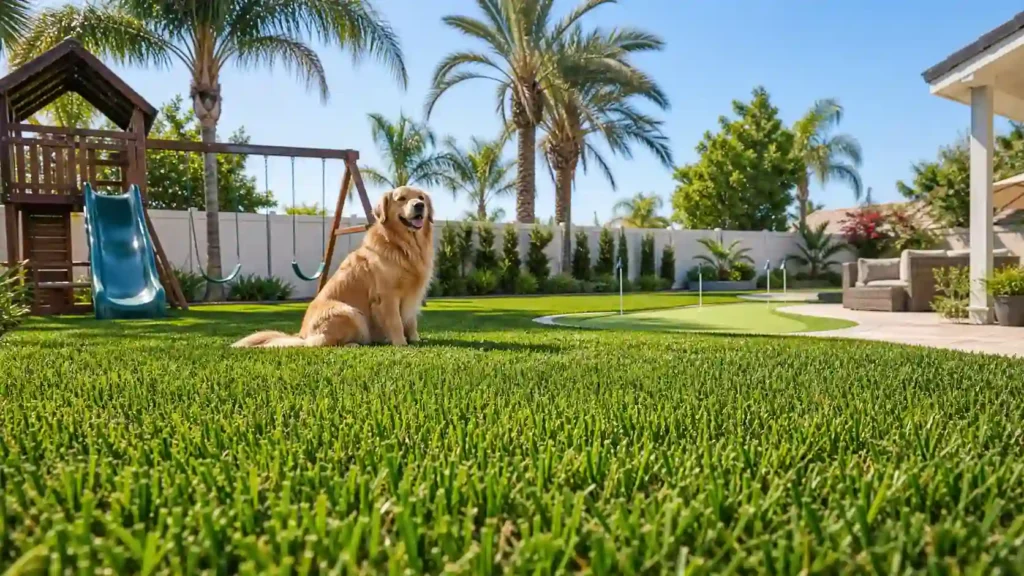
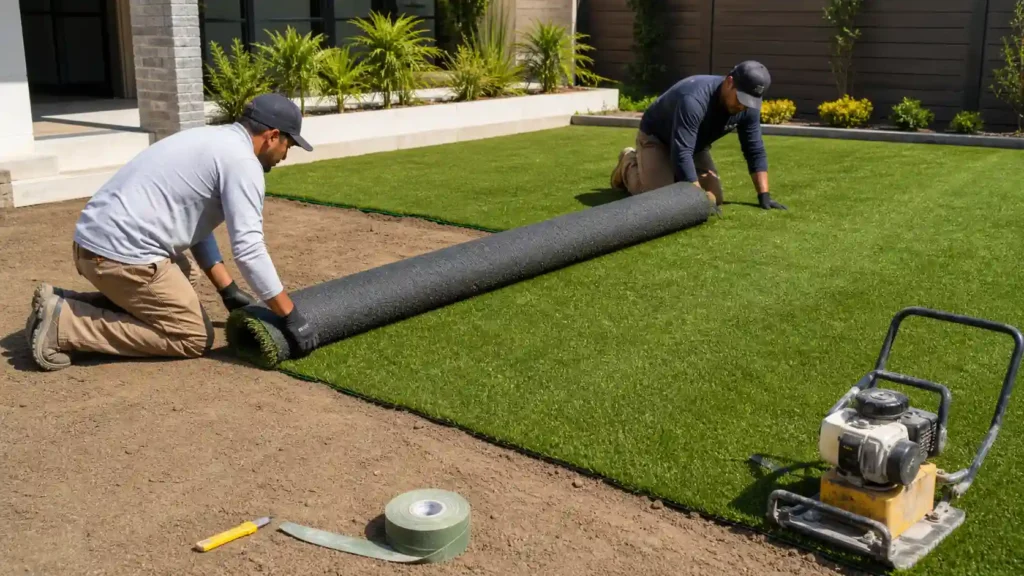
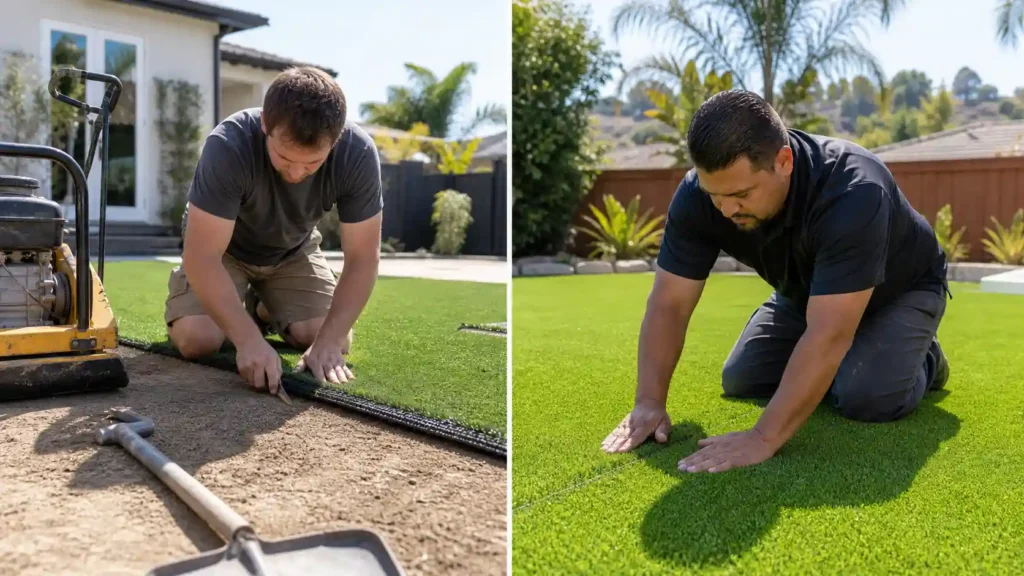
You can build a backyard putting green with artificial turf in a few weekends. Here is how to build a backyard putting green: plan the layout, dig out the area, pack a firm base, shape the slope, lay the turf, set the cups, then add infill and test the roll. The base matters most, because a smooth, solid base gives you true ball roll. This guide follows that order for a DIY putting green. It shows what to do at each step, which choices matter, and when to call a pro for the putting surface. Plan the Putting Green Before You Start If you want to know how to create a putting green in your backyard, start with the space, not the turf. A clear plan saves you from digging twice. Choose the Location and Size Measure the available backyard space first. Pick a spot with good light, away from trees that drop leaves and send roots under the base. Decide your putting distances. A green that allows putts of 10 to 15 feet is enough for steady practice. Leave walking and access areas so you can reach the green and haul in materials. Check drainage and existing slopes before you commit. Water should flow away from the green, not toward it. Hillside yards are common in San Diego County. A gentle natural slope can help, but a steep one makes the base work harder. Think about where the ball should finish. Leave a small flat edge around the green so missed putts stop on the turf and do not roll into a flower bed. Decide on the Shape, Holes and Contours Mark the layout with a garden hose or marking paint. Oval and kidney shapes work well because they give you several putting angles. Plan two or three putting cup locations, each with a flagstick as a clear target. Keep part of the green flat so you can learn pace. Add one gently sloped area for simple breaks. Skip complex contours on a small green. Big breaks in a tight space make putts feel random, and they are hard to build well. Good contours shape the slope and the ball rolls on purpose. Prepare and Excavate the Area Installing putting green in backyard soil is mostly digging and packing. Plan your time around those two jobs. Call 811 before you dig so you do not hit a buried line. The free service at Call 811 marks utilities for you. Mark the perimeter with paint. Remove all grass, weeds and roots, since vegetation left in the soil rots and sinks over time. Excavate enough soil to fit the base layers plus the turf. The base needs more depth than the turf, so dig deeper than you think. Set the rough grade as you dig. Pitch the bottom of the excavation slightly away from the house. For general ground steps, read our guide on how to prepare the ground for artificial grass. Address drainage now. If a spot stays wet or the soil holds water, fix it before you cover the area. You cannot see problems once the base is down. Build and Compact the Base A putting green shows every bump. The base is where you win or lose the build. Add the Base Material The base is a layer of crushed stone, also called aggregate. It drains water and holds weight. Many installers finish the top with decomposed granite because it packs smooth and fine. The right depth and mix depend on your soil, your slope and your turf system. Follow the turf maker’s guidance instead of copying a number from another yard. Spread the sub-base in thin layers and rake each one even. For more on layers, see our page on the sub-base for artificial grass. A good base gives you stability and drainage at once. It is the foundation for the putting surface. Compact the Base Thoroughly Rent a plate compactor. Make several passes over each layer, and change direction on each pass. Walk the base after each round. If it shifts or leaves deep footprints, it needs more passes. Fill any soft or low area, then compact it again. Recheck the whole surface with a long level before you add the next layer. Create the Final Smooth Surface Finish with a thin layer of fine material. Pull a straight board across it to remove ridges, then check with a long level and a string line. The turf is thin and copies the base underneath it. Any dip or hump will show up in the ball roll. Compact this last layer as well. Roll a ball across it and watch for wobbles. Smoothness here saves hours of fixes later. Shape the Green for Drainage and Ball Roll The surface must do two jobs. It has to move water away, and it has to give the ball a fair roll. Build Gentle Contours and Breaks Build contours into the final layer of the base, not into the turf. Keep one flat practice area. Add a gentle slope for a break. A mild slope also gives you uphill and downhill putts, which teach speed control. Keep each slope small. Exaggerated breaks look fun, but they make putts unfair. Every contour should be there on purpose. A bump from weak compaction is a flaw, not a feature. Check Drainage Before You Install the Turf Run a hose over the base and watch the water. It should soak through the permeable base and run off the edges. Low points that hold water are standing-water risks. Mark each one and re-grade it now. Existing drainage problems in your yard will not vanish under turf. Fix the grade or add a drainage path before you go on. Install the Artificial Putting Turf An artificial grass putting green needs putting turf, not lawn turf. Putting turf has short, dense fibers made for a true roll. Lawn turf is too tall and slows the ball. Position and Acclimate the Turf Roll the turf out