
Landscape architecture is the professional practice of planning, designing, and managing outdoor spaces. It combines art, science, ecology, and technical skills to shape places where people and nature meet. Landscape architects consider land, plants, water, buildings, and how people use an area.
Their work includes private properties, parks, public spaces, commercial sites, and environmental restoration. Unlike general landscaping, this field often involves detailed site planning, technical drawings, and coordination with other design professionals. Here is what the work includes and where it fits.
What Does Landscape Architecture Include?
This field looks at an outdoor area as one connected system. It considers the natural environment, built features, and the people who use the space.
Its main parts include:
- Site planning: Deciding how different areas, paths, plants, and structures should fit together.
- Landscape design: Planning the layout, appearance, and function of outdoor spaces.
- Ecology: Understanding how plants, soil, water, and wildlife interact.
- Environmental sustainability: Making choices that use resources wisely and reduce harm to natural systems.
- Human interaction: Making outdoor areas comfortable, useful, safe, and easy to access.
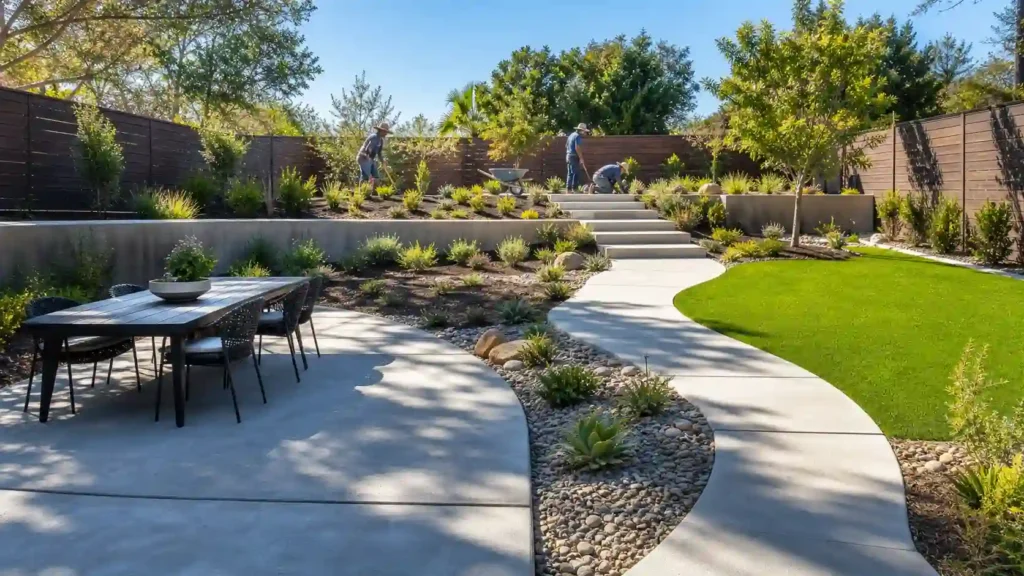
For example, a residential design may connect a patio, garden, walkway, and lawn into one usable space. A public project may need to support visitors, protect existing trees, and manage rainwater.
The goal is not simply to make an area look attractive. It is to plan how every part works together over time.
What Does a Landscape Architect Do?
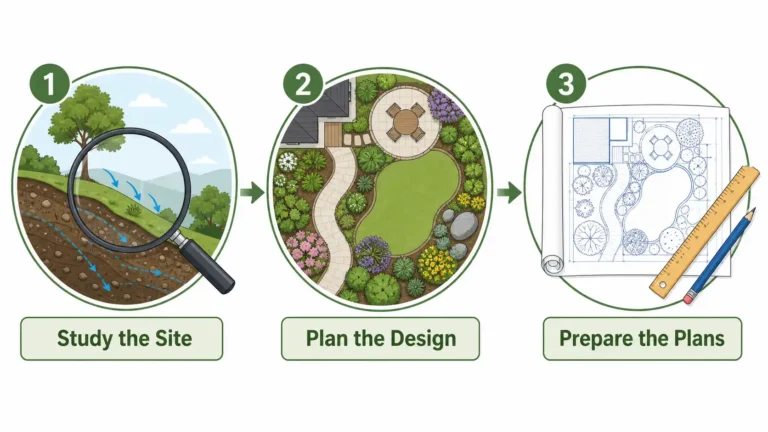
A landscape architect studies a site, develops design plans, and helps guide outdoor projects. Their responsibilities depend on the property’s size, purpose, and needs.
Evaluates Existing Site Conditions
The process often starts with a site analysis. The professional reviews the land before deciding what changes are suitable.
They may examine:
- Topography: The shape, height, and slope of the land.
- Soil conditions: Soil type, stability, and ability to support plants or structures.
- Existing vegetation: Trees, shrubs, and other plants that may need protection.
- Hydrology: How water moves through and collects across the site.
- Drainage: Where rainwater flows and whether certain areas may hold water.
- Existing structures: Buildings, walls, utilities, and other features that affect the plan.
These details help identify site limits and design opportunities. For example, a steep slope may affect where paths, seating areas, or planting beds can go.
Plans and Designs Outdoor Spaces
After reviewing the site, the landscape architect develops a layout that supports its intended use.
This may include placing paths, choosing planting areas, and planning outdoor structures. The design also considers how people move between different parts of the property.
Good design in landscape architecture connects visual appeal with practical needs. A walkway should fit the layout and provide a clear route. A seating area should have enough space and suit its surroundings.
Prepares Design Documents and Coordinates Projects
Larger or more complex projects may need formal plans and technical documents. These can include site plans, design drawings, material specifications, and construction documents.
Landscape architects may also work with architects, civil engineers, and contractors. This coordination helps align the outdoor design with buildings, grading, drainage, and other site work.
During construction, they may review progress to check whether the work follows the approved design. Their role can continue from early planning through project completion.
What Factors Are Considered in Landscape Architecture Design?
Every site has different conditions. A suitable plan must respond to the land, climate, water, materials, and people who will use it.
Land, Soil, and Existing Site Conditions
Landform and topography decide where things can go. A steep slope may call for terraces or steps, while flat ground suits a patio or lawn. Soil conditions guide what can grow and how well the ground drains. Sandy soil drains fast, and clay holds water. Existing trees and structures can stay, move, or shape the whole layout.
Water and Drainage
Water moves downhill, so the design must guide it. Slope sets where rain flows. Good stormwater management slows runoff, lets water soak in, and keeps it away from homes. A drainage plan prevents pooling, erosion, and damage to walls and foundations. On larger sites, hydrology shows where water gathers after heavy rain.
Plants and Natural Elements
Plants must fit the place. Native plants suit the local climate and soil, so they often need less water and care. In San Diego County, dry summers make that choice matter. Existing vegetation can offer shade and habitat, and new planting should work with it. Plants that suit the site also support local wildlife.
Structures, Materials, and Accessibility
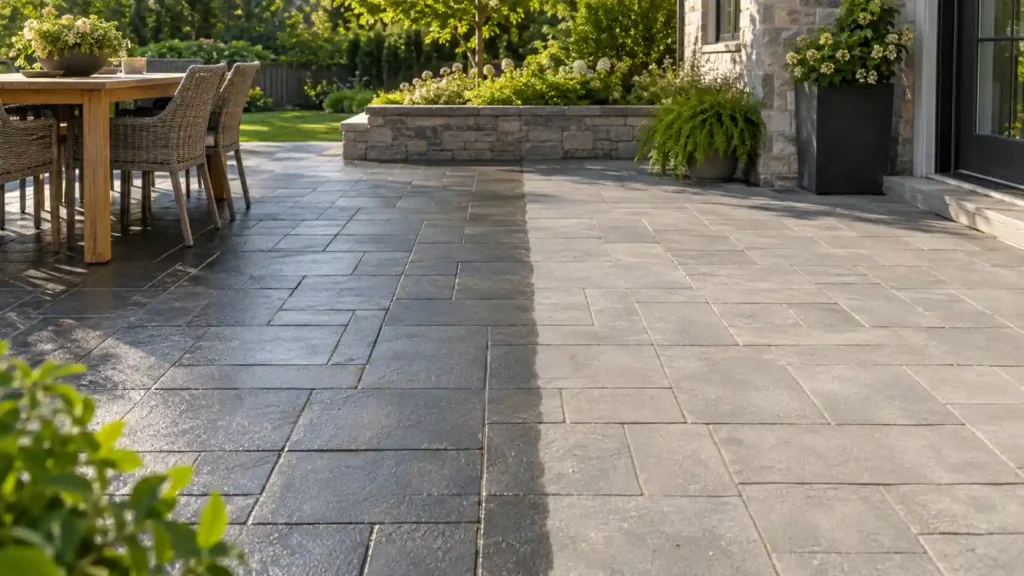
Hardscape choices shape how people move and stay safe. Pathways should be wide, firm, and gently sloped so everyone can use them. Good circulation keeps people moving without crowding. Accessibility means level surfaces, ramps where needed, and clear routes for wheelchairs and strollers. Safety covers non-slip surfaces, lighting, and steady steps. Permeable paving lets water soak through, which helps drainage while giving a firm surface.
Where Is Landscape Architecture Used?
Landscape architecture applies to many types of outdoor spaces. The scale can range from a private garden to a large public or environmental project.
Residential Properties and Gardens
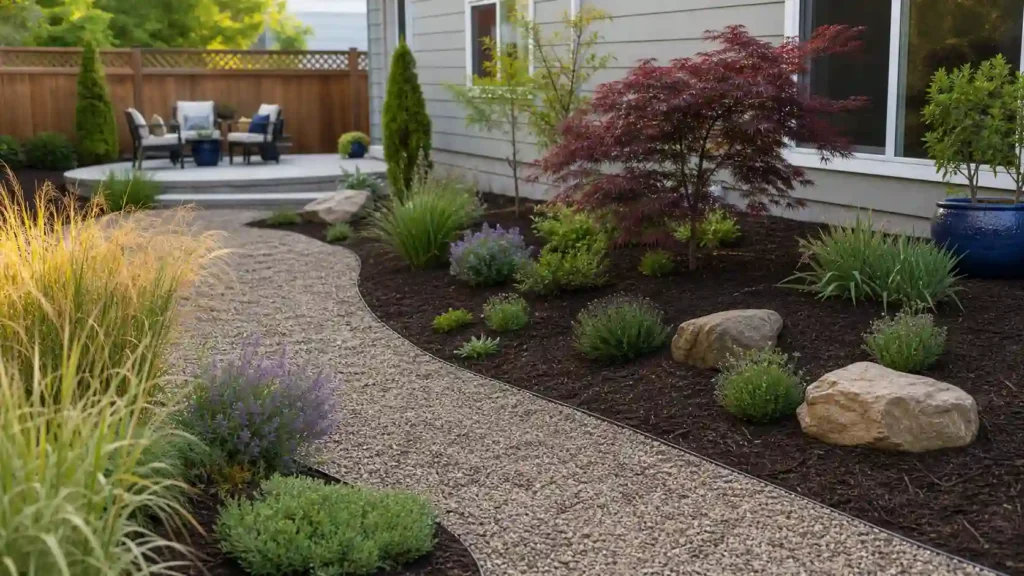
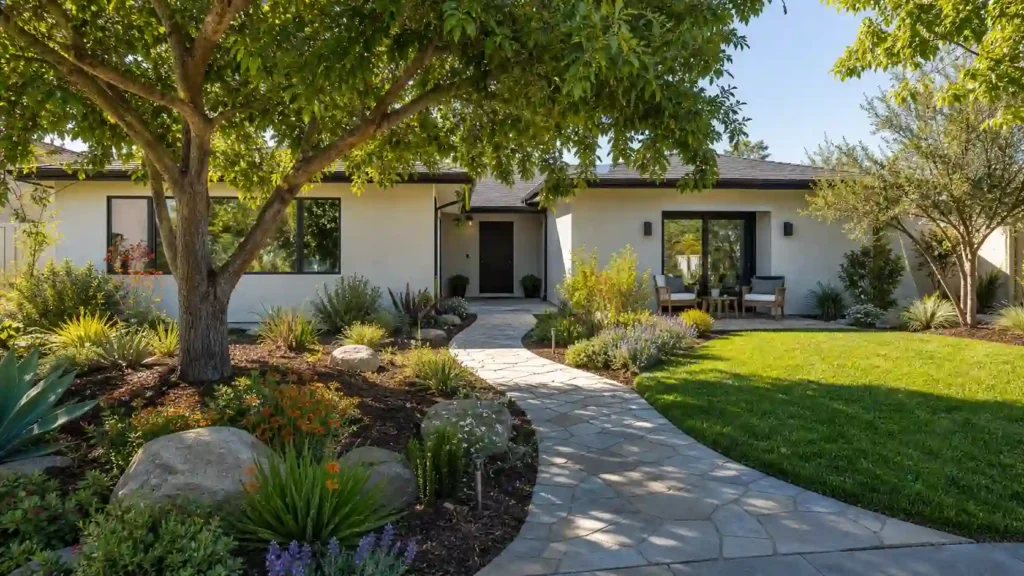
On private properties, the work may connect gardens, patios, walkways, planting areas, and outdoor living spaces. The plan considers how the outdoor areas relate to the home and how residents want to use them.
Residential landscape design can also address slopes, privacy, drainage, and the placement of existing trees.
Parks, Playgrounds, and Public Spaces
Public projects include parks, playgrounds, trails, plazas, and recreation areas. These places must serve different users and support safe movement.
A park plan may include walking routes, open areas, shaded seating, play spaces, and planting. Public plazas may need clear circulation and room for gatherings.
Commercial and Institutional Properties
Businesses, schools, universities, and office campuses also use landscape architecture. Their outdoor areas may need to support visitors, staff, students, and daily activities.
A commercial development might include pedestrian routes, planting zones, outdoor seating, and connections between buildings. University campuses may need paths that link classrooms, recreation areas, and shared spaces.
Urban Infrastructure and Environmental Restoration
Landscape architects can contribute to streetscapes, waterfronts, and other public infrastructure. These projects may connect pedestrian areas with planting, drainage, and public access.
Environmental restoration projects focus on damaged or sensitive natural areas. Examples include wetlands, conservation areas, and wildlife habitats. The work may help restore natural systems while considering how people use nearby land.
What Is the Difference Between Landscape Architecture and Landscaping?
Landscape architecture is a professional planning and design field. Landscaping usually refers to the practical work of creating, improving, or maintaining outdoor spaces.
The two are related, but they do not mean the same thing.
Landscape architecture | Landscaping |
Plans and designs outdoor environments | Creates, improves, and maintains outdoor spaces |
Weighs site conditions and wider design links | Handles practical yard improvements |
Can involve technical drawings and project teamwork | Can involve installing plants, turf, paving, and other features |
Can cover public, commercial, and residential sites | Commonly covers residential and commercial properties |
People hire landscaping services for good reasons, and the importance of landscaping goes well beyond looks. Landscape installation includes planting trees and shrubs, which is softscape. It also includes laying artificial turf, decorative rock, pavers, and patios, which is hardscape. Our guide to hardscaping and landscaping shows how the two fit together.
A landscape contractor does this building work, and the Contractors State License Board licenses landscape contractors in California. The two roles meet when a design moves into the ground. The landscape architect draws the plan, and the contractor builds it. Many home projects, like a new patio or planting bed, need a contractor and no landscape architect.
At SD Home Turf, we handle landscaping services across San Diego County, from artificial turf to pavers and patios.
Do Landscape Architects Need a License in California?
Yes. Landscape architecture is a regulated profession in California, and the Landscape Architects Technical Committee (LATC) sets the standards for professional licensure.
Candidates need six years of combined qualifying education and training experience before they can take the Landscape Architect Registration Examination (LARE). A degree is one path, but schooling and supervised work can also add up to those six years. California candidates must pass both the LARE and the California Supplemental Examination (CSE), which tests state laws that apply to the field.
You can read the full steps on the LATC page for initial licensure requirements. Homeowners can also confirm a landscape architect’s status through the LATC.