Landscaping is important because it improves how an outdoor space looks and works. It also brings environmental, property, and quality-of-life benefits that last for years. So, what is the importance of landscaping in everyday terms? It turns a plain yard into a planned space that supports your home, your health, and the local environment.
Good landscape design makes your yard easier to use and more visually appealing. It also helps maintain environmental purity, fosters comfort, and improves quality of life. Read on to find out how each advantage works and why planning is so important.
Why Is Landscaping More Than a Nice-Looking Yard?
Good landscaping does much more than make a yard look attractive. It plans how every part of your property works together. That plan is the core of landscape design, and it guides every choice.
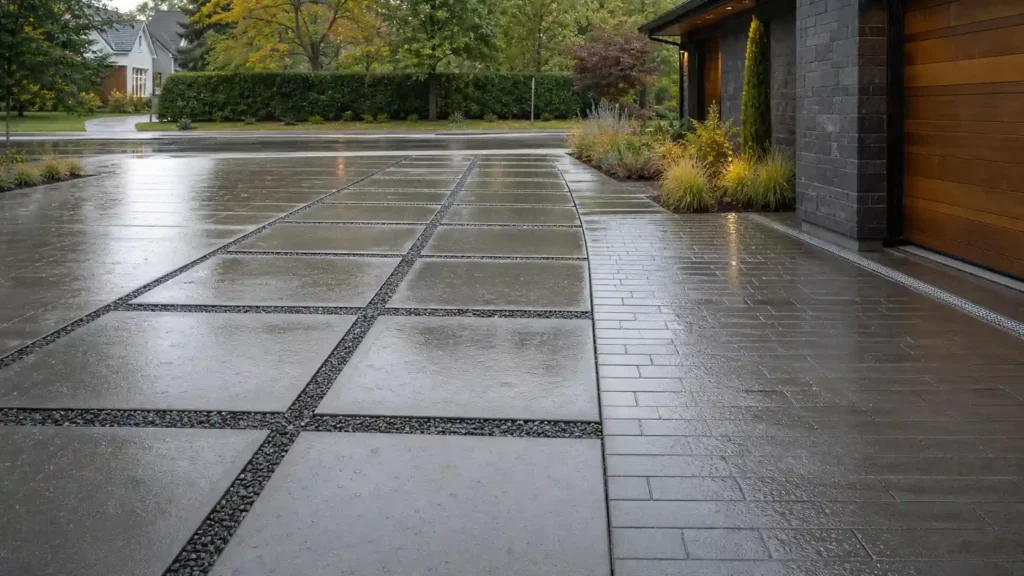
Softscape means the living parts, such as plants and lawn. Hardscape means the built parts, such as patios and pathways. Grading shapes the slope of the ground so water flows where you want it. Drainage then carries extra water away from your home and its foundation. Privacy elements, such as hedges and fences, shield the space from the street. An outdoor living space ties all of these pieces into one usable area.
Landscape and gardening overlap, but gardening mainly grows plants while landscaping plans the whole space. When the parts match, the yard feels organized and works well. When they do not, you get a lawn that floods and a patio nobody uses. Homeowners often ask what is the importance of landscaping beyond looks. The answer is planning: landscaping turns outdoor space into a planned environment, not a set of separate yard features.
How Does Landscaping Improve Appearance and Daily Use?
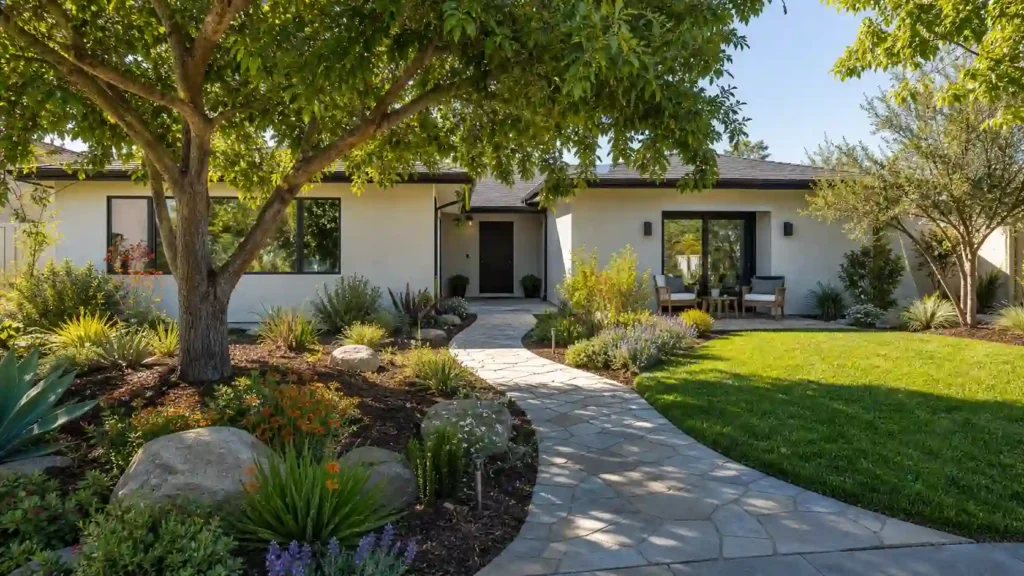
Curb appeal is the first thing people notice about a home. Clean planting beds, healthy trees, and neat shrubs give the front yard visual organization. Clear edges and repeated shapes help the eye read the space as one design.
A yard also needs defined outdoor areas, so each space has a clear job. A dining spot, a play lawn, and a quiet corner each need their own zone. Pathways link those zones and keep feet off wet grass and bare soil.
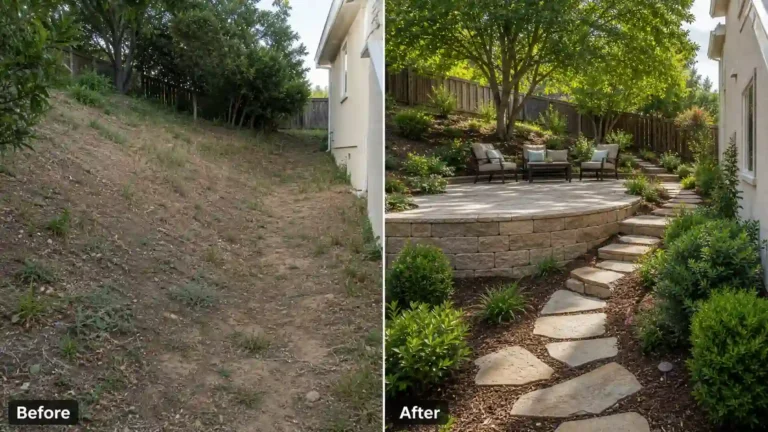
Picture a sloped backyard with bare dirt and no clear path. Add a level patio, a path, and a row of shrubs, and it becomes a place to gather. Patios and decks give you firm, flat ground for outdoor living and meals. Leveling a sloped lawn can turn unused ground into usable space. Outdoor gathering areas give friends and family room to spend time together.
Trees add shade, so the space stays comfortable on hot afternoons. Shade turns a bare patio into a place where people want to sit. Hedges, trees, and fences add privacy from busy streets and close neighbors. Good landscape design joins beauty with function, so nothing in the yard goes to waste.
How Does Landscaping Help the Environment?

Plants do real work in a yard, and good design puts that work in the right places. Trees and shrubs improve air quality by trapping dust, absorbing pollutants, and releasing oxygen. USDA Forest Service research puts the average gain under 1 percent, but it adds up across many trees.
The EPA explains that trees cool the air by releasing water vapor through their leaves. Combined with shade, this helps fight the urban heat island effect around buildings and pavement.
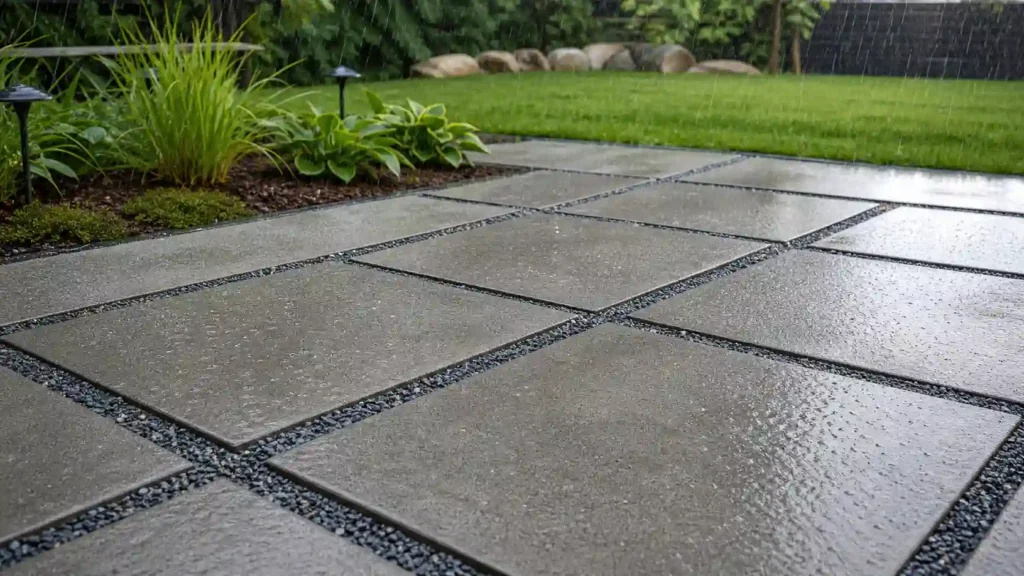
Hard surfaces like roofs and driveways send stormwater runoff rushing toward the street. A landscape design technique that benefits the environment can be as simple as a rain garden. It is a shallow, planted dip that holds rain until it soaks in. That soaking-in process is called infiltration, and it filters out pollutants. Dense roots and permeable pavers help too, since EPA says permeable surfaces let stormwater soak through into the soil.
Trees also reduce stormwater runoff by catching rain on their leaves and holding soil with their roots. Groundcover and roots also hold soil in place, which limits erosion on slopes. Smart drainage guides leftover water to planted areas instead of the street.
A landscape natural to your region relies on native plants. These plants feed pollinators such as bees and butterflies, and they give birds food and shelter. Flower beds and a small water feature add habitat that supports biodiversity. Native plants also tend to need less water because they suit the local climate.
How Does Landscaping Support Comfort and Well-Being?
A well-planned yard gives you green space right outside your door. You do not need a large lot, since even a small patio garden gives you green space. Time in nature helps many people feel calmer and think more clearly. Even a view of plants through a window can ease stress. A shaded bench or quiet corner invites relaxation after a long day.
A level lawn and clear paths encourage physical activity and outdoor recreation. Families and friends use the space for meals, games, and talks, which builds social interaction. Birds, flowers, and changing seasons add a daily connection with nature.
These benefits of landscaping only count when people actually use the space. Landscaping creates an environment people can spend time in, and that lifts quality of life.
How Does Landscaping Add to Property Appeal?
First impressions form fast, and the yard is the first thing a buyer sees. Strong curb appeal makes a home look cared for before anyone steps inside. A tidy yard shapes the perceived property condition, which raises perceived value in a buyer’s mind.
Even small changes, like fresh beds and trimmed shrubs, can improve how a home looks from the street. Buyer appeal grows when the yard looks neat, healthy, and ready to use. This can support property value, but the real return depends on the home and the market.
Shade near the home also changes energy use, and that shows up on utility bills. The Department of Energy says a well-placed tree, shrub, or vine can provide shade, block wind, and cut energy bills. That means lower cooling demand in summer and less cold wind in winter.
Grading, drainage, and retaining walls also protect the house itself. Steering water away from the foundation and holding slopes in place can prevent costly flood and erosion damage.
How Do Softscape and Hardscape Work Together?
Landscaping is the broad plan, and hardscaping is one part of it. Softscape brings living plants, while hardscape adds the built structure around them. Patios and walkways give plants clear edges and give people firm footing. Retaining walls hold back sloped soil and create level beds for plants. Decorative rock fills dry areas and adds texture between planted zones.
Hardscape also solves problems that plants cannot, such as steep slopes and muddy walkways. Together they form one complete design that looks balanced and works all year. For a deeper look, read our guide on what hardscaping is and how it differs from landscaping.
Why Does Good Landscaping Start With Planning?
Adding more plants does not make a yard work better. Good landscape design matches the site and the way you will use it. Start with site conditions, such as soil, slope, and sun exposure. A shady corner and a hot, sunny slope need very different plants.
Plant selection should match water requirements, because some plants need far more water than others. In San Diego County, long dry spells and short, heavy rains make water needs and drainage key. Grading comes next, so rain moves away from the home and not toward it.
Think about intended use too, since a play lawn and a dining patio need different layouts. Then balance softscape and hardscape so the yard is neither all concrete nor all lawn. An experienced designer can read the site and spot problems before planting begins. Poor planning wastes money, while good planning makes every benefit in this guide possible.
The importance of landscaping comes down to a few clear gains. It improves appearance, makes outdoor space easier to use, and supports environmental quality. It creates comfortable areas for rest and play, and it can add to property appeal. When softscape and hardscape work together, you get one complete outdoor design.
If you are ready to plan your own yard, explore the services from SD Home Turf. Our team will help you design a yard that fits your site and your daily life.